French Oak Flooring vs. Appalachian White Oak: A Design Guide
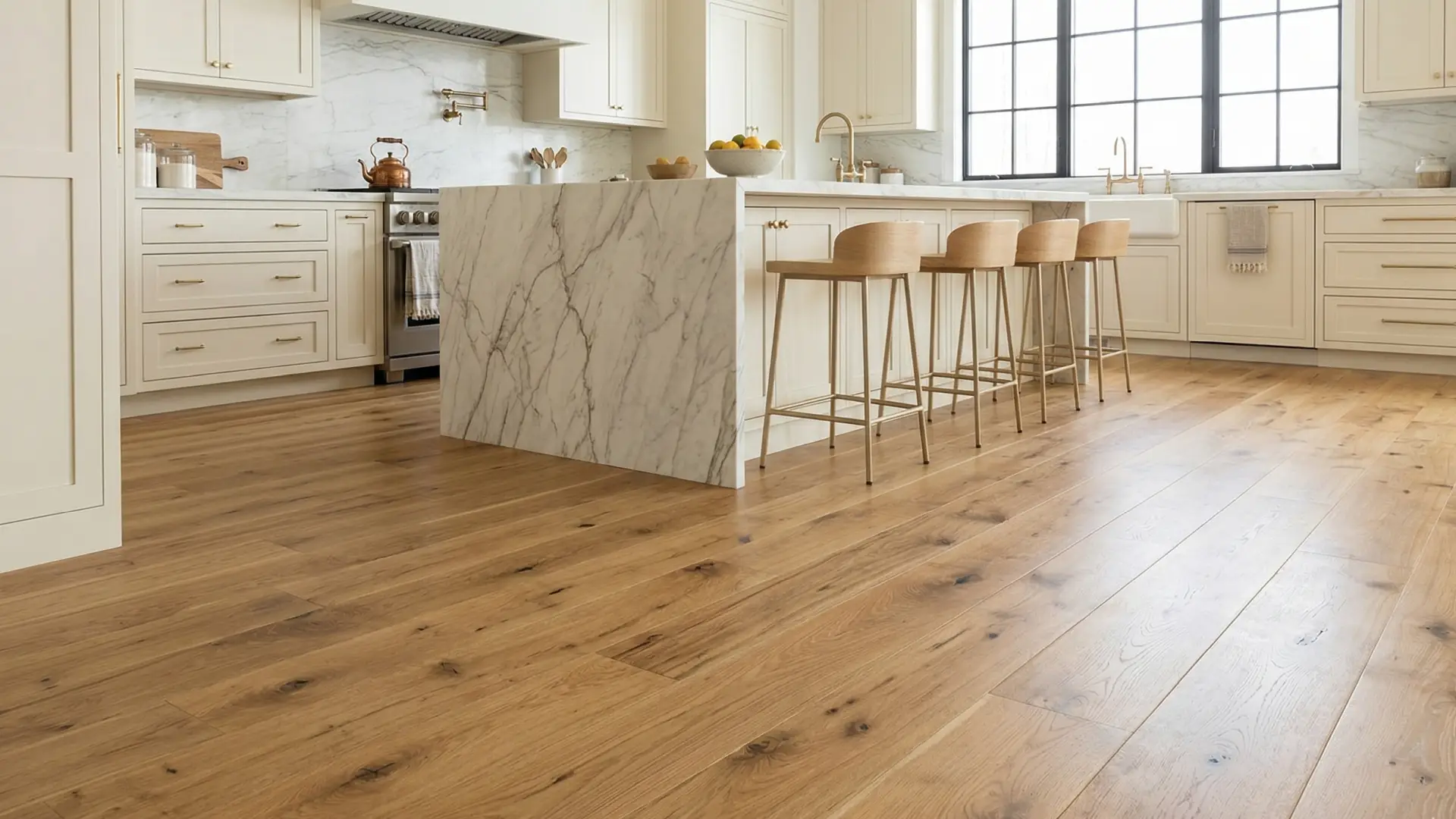
As luxury interior design embraces sustainable provenance, top architects are quietly replacing imported French Oak flooring with domestic Appalachian White Oak to achieve the iconic wide-plank aesthetic alongside a vastly superior structural and environmental story.
French Oak Flooring vs. Appalachian White Oak: A Design Guide
Contents
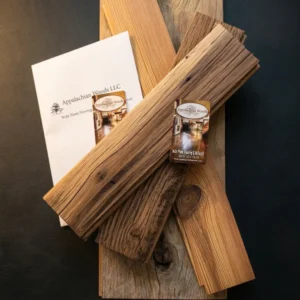
Curate Your Sample Box
Experience the tactile history of the Shenandoah Valley in your own studio.
For decades, the specification of French oak flooring has defined luxury in custom home design. When an architect sits down with a client to plan a large estate, the talk almost always turns to the romance of European timber. The appeal is strong. Imported European oak carries deep cultural weight. It evokes images of old chateaus, soft patinas, and a rich building legacy.
However, the design industry is going through a major shift. Today, top architectural firms are rethinking their default material choices. Smart designers are pausing before they order imported timber. They are looking closer to home. They want to know if a domestic material can offer the same visual impact while providing better structural and green performance.
The Enduring Allure of French Oak Flooring
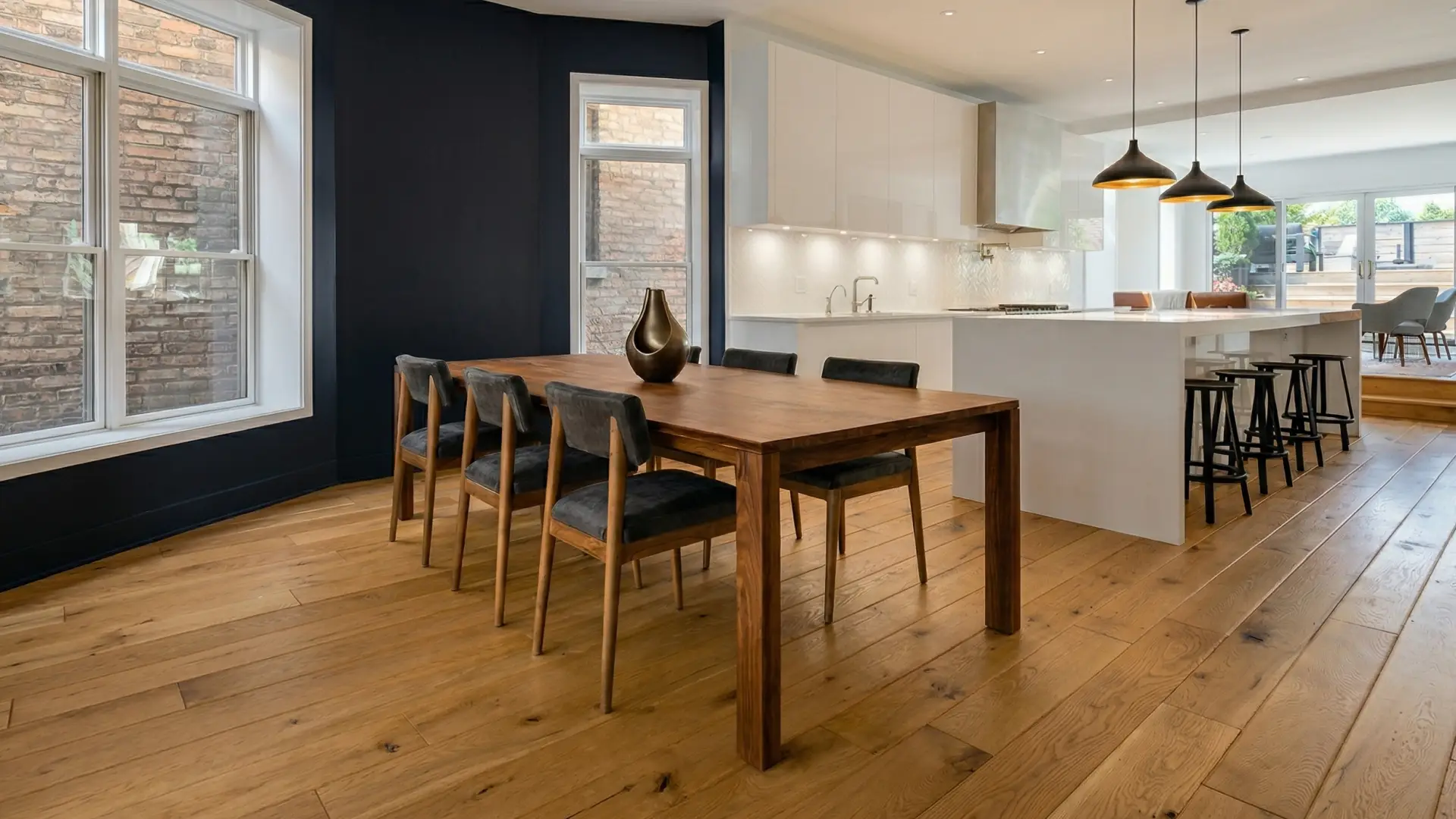
To understand this shift, we must first look at what made imported oak so popular. Historically, French oak flooring was prized for its distinct grain and neutral colors. European oak often has a slightly tighter, more even grain than standard red oak found in US markets. As a result, it takes custom stains very well. This allowed designers to easily achieve the washed, matte finishes that define modern high-end homes.
Also, the wide-plank format from European mills became a strict standard for luxury spaces. Wide planks reduce visual breaks across a floor plan. This creates the seamless look that modern homeowners crave. But looks are only half of the equation. Ultimately, a building material must perform.
The Pivot to Provenance
As the luxury market matures, the idea of a “premium” material is changing. It is no longer enough for a floor to simply look beautiful. Homeowners and custom builders now demand clear sourcing, accountability, and climate resilience. Because of this, Appalachian White Oak has emerged as the best domestic alternative to overseas imports.
Mountain-grown timber offers a unique character that aligns perfectly with modern design values. Instead of relying on a romantic European story, architects are leveraging the rugged history of American wood. By sourcing locally, project managers skip the nightmare of international shipping while supporting sustainable forestry. This marks a new era in luxury material selection.
HERITAGE NOTE
Mountain-grown timber offers a unique character that aligns perfectly with modern design values.
Defining Modern Heritage in Architecture
This pivot away from imports is tied deeply to the “Modern Heritage” design movement. This style rejects the hyper-polished, sterile perfection of early-2000s design. Instead, it embraces the tension between clean modern lines and soulful, organic materials. Modern Heritage is about anchoring a new space with elements that feel grounded, permanent, and historically rich.
The Shift Toward Authentic Texture
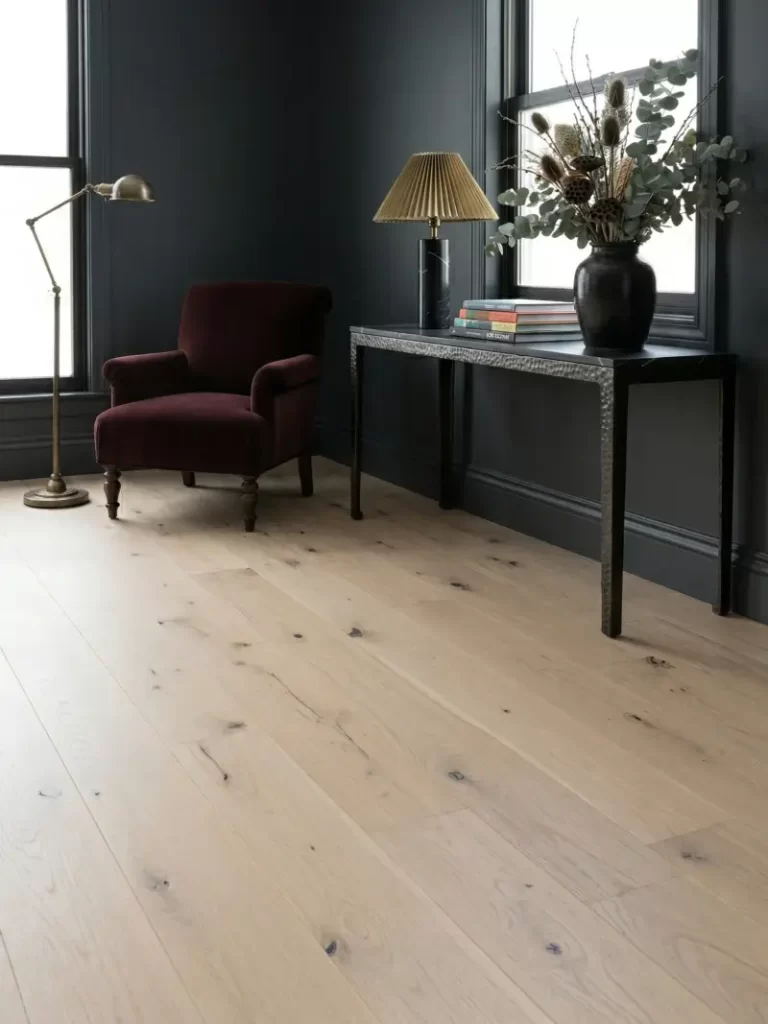
In a Modern Heritage home, perfection is actually a flaw. The movement celebrates natural variations, mineral streaks, and subtle textures that only real organic materials provide. Renowned design groups, such as Studio McGee, have built empires on this exact pairing. They mix crisp, modern shapes with deeply textured, historic surfaces.
In this context, Appalachian White Oak outperforms its European rival. Domestic heritage timber possesses dynamic visual energy. Rather than the highly uniform look often seen with heavily processed French oak flooring, Appalachian wood offers an authentic grain story. It becomes a focal point of the room, not just a passive background.
Tension Between Old and New
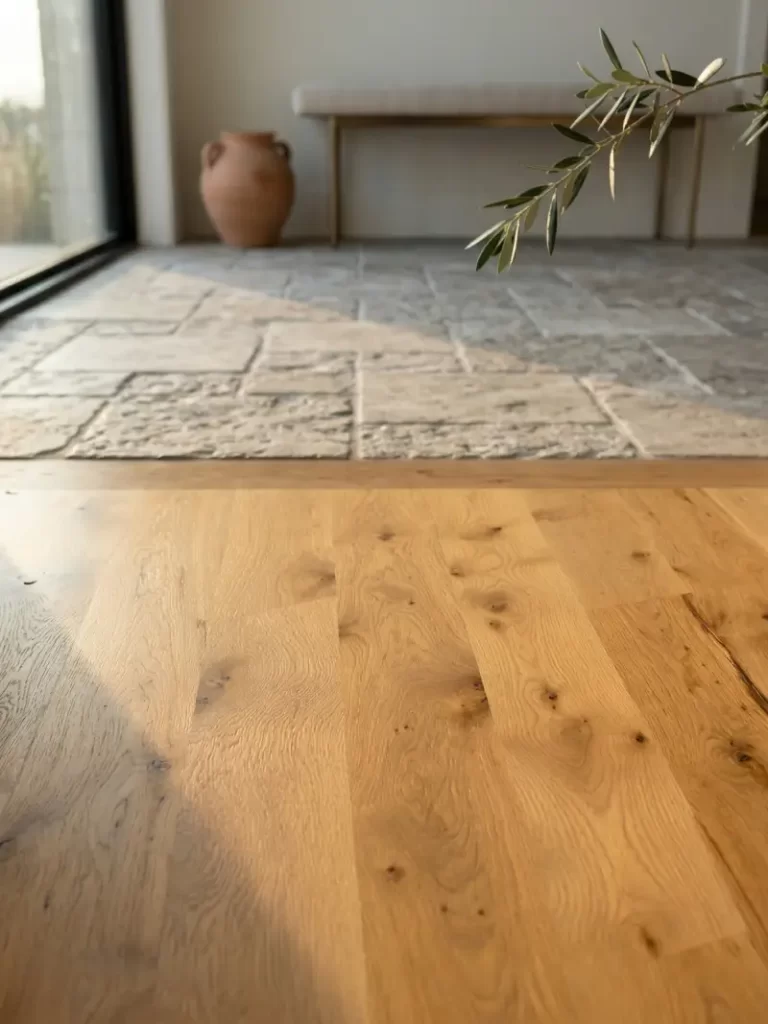
The magic of Modern Heritage lies in contrast. When an architect designs a massive wall of commercial glass, that cold transparency needs a warm counterweight. Appalachian White Oak provides this friction. The rich undertones and varied grain patterns of domestic timber warm up modern spaces without losing their modern edge.
Also, using reclaimed or heritage-grade domestic wood injects an instant sense of legacy into a new build. When clients walk across a custom white oak floor, they experience a material that grew over centuries in the Appalachian highlands. This real connection to the American landscape resonates far more deeply than an imported product detached from its environment.
The Botanical Architecture: White Oak Deep Dive
To truly understand why builders are pivoting to domestic timber, we must examine the botanical differences. We need to compare the cellular biology of European and American oak species. The physical properties of the wood dictate how it will respond to milling, finishing, and daily life.
Understanding Quercus Robur vs. Quercus Alba
Imported French oak flooring is mostly milled from Quercus robur (European Oak). In contrast, premium domestic planks are sourced from Quercus alba (American White Oak). While they share a family tree, their growth environments forge entirely different structural profiles. The Appalachian Mountains provide a unique terroir. The harsh winters and short growing seasons force Quercus alba to grow slowly.
This slow growth results in very tight growth rings. Consequently, Appalachian White Oak is highly dense. When designers compare the two species on the Standard Janka Hardness Scale, American White Oak consistently ranks higher. For high-traffic hotels or active family homes, this increased density means better dent and wear resistance.
Tannins and Textural Depth
Beyond physical hardness, the chemical makeup of the wood plays a critical role. Both species contain tannic acid, which protects the tree from decay. However, American White Oak possesses a unique cellular structure called tyloses. These balloon-like growths plug the heartwood, making the timber highly water-resistant. In fact, this is why Quercus alba is the only wood used for whiskey barrels.
For interior design, this cellular makeup means Appalachian timber handles topical moisture better than standard imports. Furthermore, the tannin distribution in domestic white oak reacts beautifully to custom fuming processes. Designers can achieve incredibly deep, complex patinas. These finishes highlight the wood’s natural architecture rather than masking it.
HERITAGE NOTE
By specifying Appalachian White Oak, architects lower this risk.
Why Specs Are Shifting Away from French Oak Flooring
While the visual appeal of European oak is strong, the daily realities of using it in North America are tough. Architects and builders are bound by the laws of physics. Wood absorbs and releases moisture based on its environment.
Climate Compatibility and Stability
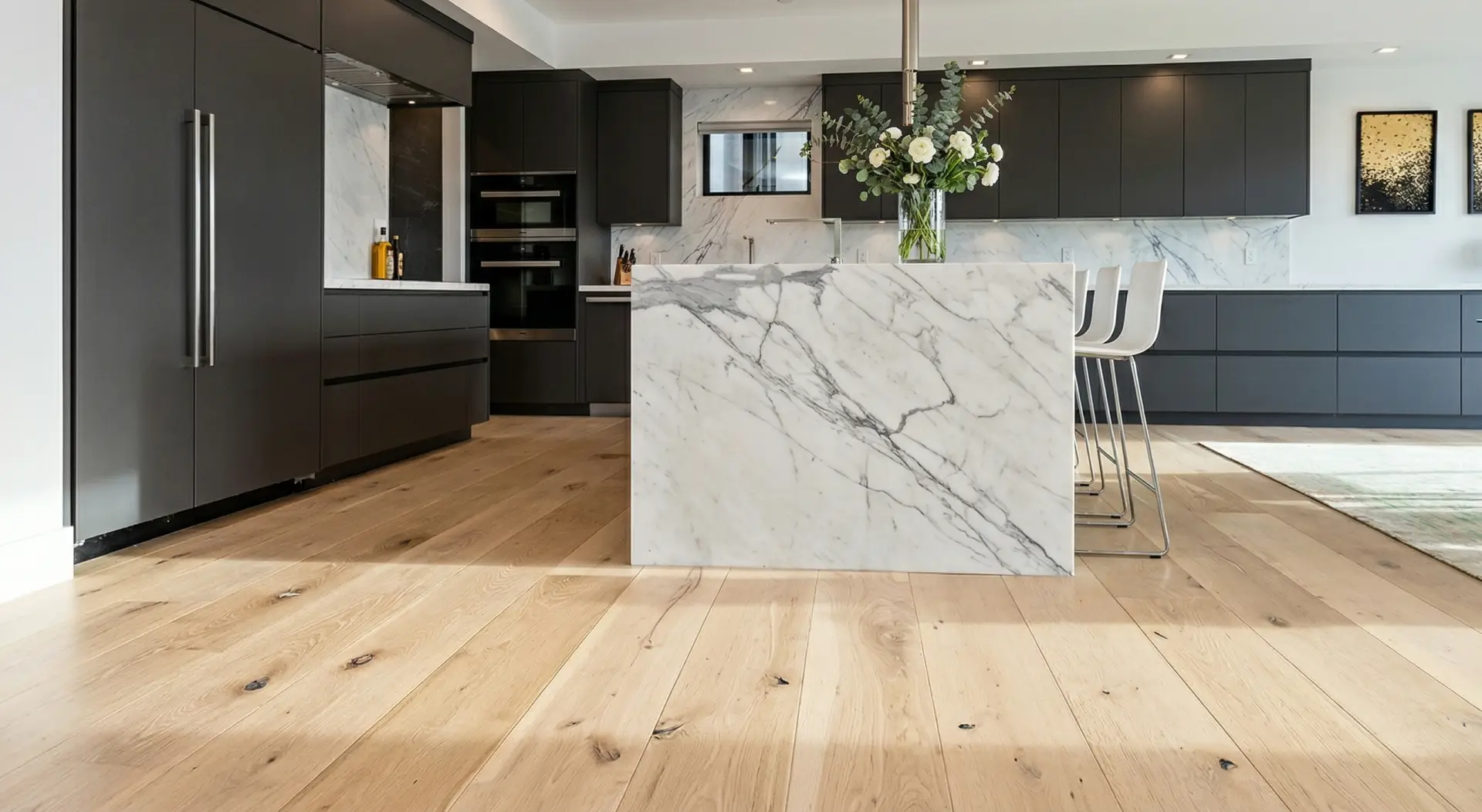
One of the biggest flaws of French oak flooring is its origin climate. European oak grows in mild, damp coastal environments. When this timber is imported and installed in a luxury home in Aspen or the high desert, it suffers a brutal shock. The dramatic swings in seasonal humidity found across North America can ruin imported wood.
According to guidelines set by the National Wood Flooring Association (NWFA), proper acclimation is vital. However, even with strict rules, imported European oak is prone to checking, splitting, and cupping. Appalachian White Oak evolved in North America’s extreme seasonal shifts. Therefore, it possesses an innate structural memory that makes it vastly more stable.
The Hidden Costs of Acclimation
The structural weakness of imported timber causes project delays and inflated budgets. Custom builders frequently report having to leave imported oak to sit on-site for weeks. This stalls other trades and hurts aggressive construction schedules. Plus, if the wood fails after installation due to the climate, the blame often falls on the builder.
By specifying Appalachian White Oak, architects lower this risk. Domestic timber arrives adapted to North American climates. Consequently, the waiting period is cut down, and the long-term stability is vastly improved. Ultimately, choosing domestic wood is a smart, defensive choice for project managers.
The Sustainability Narrative and Embodied Carbon
In modern architecture, sustainability is a baseline requirement. High-net-worth clients understand environmental impact metrics. They expect their homes to reflect their green values. Consequently, the environmental cost of building materials is under intense scrutiny.
Analyzing the Transatlantic Carbon Footprint
The most glaring issue with French oak flooring is its “embodied carbon.” This refers to the total emissions generated by harvesting, making, and moving the material. According to authoritative reports published by ArchDaily, transportation is a massive part of a building’s carbon footprint.
Shipping heavy, dense timber across the Atlantic Ocean on diesel-burning freighters creates massive emissions. When an architect specifies European oak for a project in California, the material travels halfway around the world. In an era where carbon-neutral design is the goal, this transatlantic supply chain is hard to justify.
Managed Forests and Domestic Chains of Custody
Conversely, Appalachian White Oak offers an incredibly clear chain of custody. The Appalachian hardwood forest is one of the most strictly managed timber regions on the planet. By sourcing domestically, architects slash the embodied carbon of their flooring package.
Furthermore, working with established domestic producers like Appalachian Woods ensures ethical sourcing. Designers can confidently present the material to their clients. They know they are supporting regional economies, safe forestry, and reducing emissions. True luxury is intentional, and domestic wood proves it.
Crafting the Aesthetic: Appalachian Milling Mastery
A common myth is that switching from European imports to domestic wood means giving up on style. Historically, American mills focused on narrow-strip red oak. This lacked the visual scale of European wide planks. However, elite domestic mills have completely changed their methods.
Achieving the Wide-Plank Look
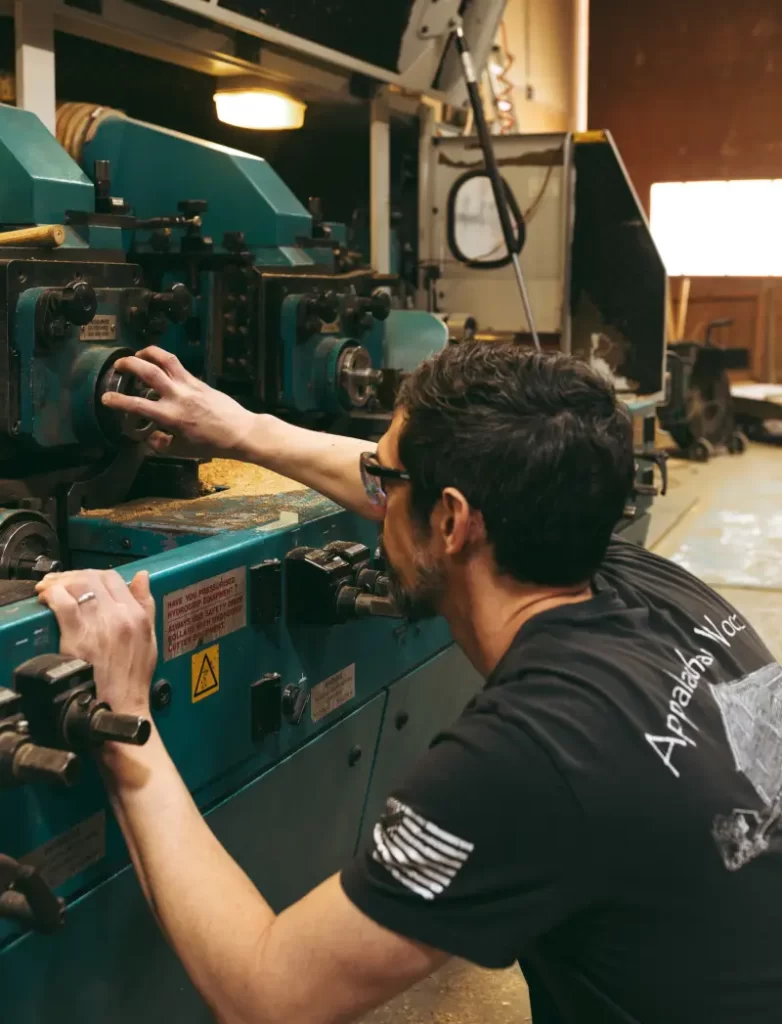
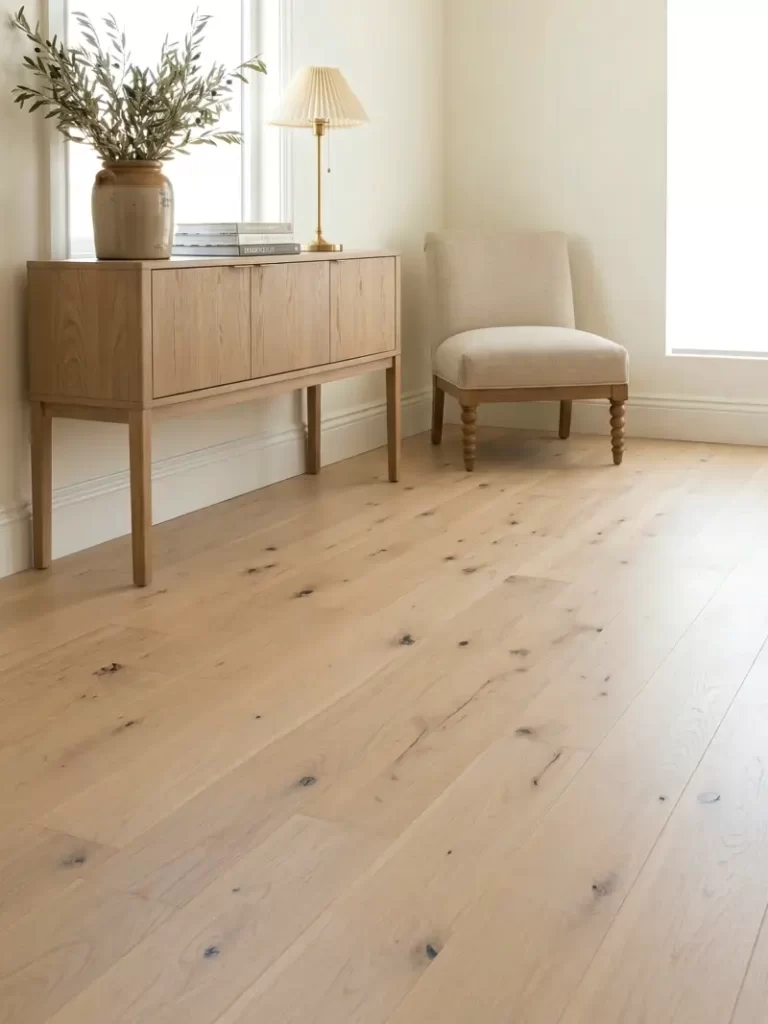
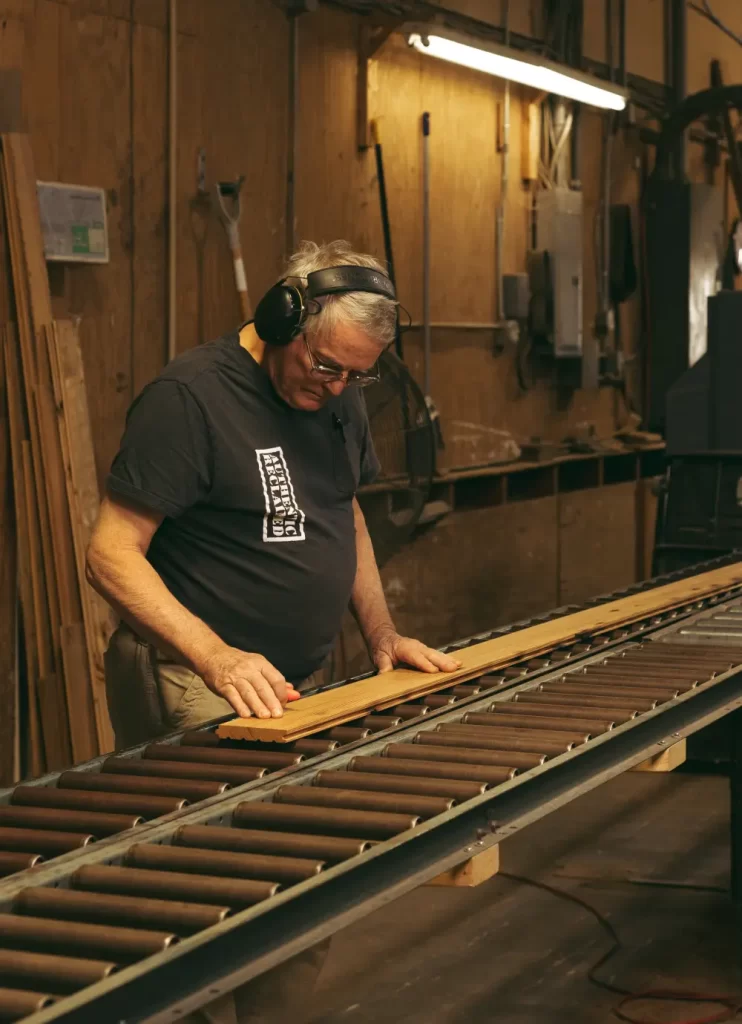
To achieve the gallery-like feel of imports, Appalachian Woods uses specialized sawmilling techniques. By carefully selecting massive, mature Quercus alba logs, they produce exceptionally wide planks. This bespoke scale reduces seams and highlights the sweeping grain patterns of the wood.
For designers seeking the ultimate Modern Heritage aesthetic, Appalachian Woods Rustic White Oak Flooring offers an unmatched visual experience. The mill preserves the organic character of the wood, including live-edge contours and natural checking. Yet, they ensure exact, precision-milled profiles for perfect installation.
Custom Finishes for Bespoke Interiors
The final step in matching the European aesthetic is the finishing process. American White Oak provides a perfect canvas for modern, low-VOC oils and hard-wax finishes. Because of its unique tannins, Appalachian oak responds beautifully to custom, reactive fuming processes. This darkens the wood from the inside out, creating a rich patina favored in custom homes.
Consequently, architects are no longer restricted to the pre-finished colors dictated by overseas factories. By specifying unfinished Appalachian White Oak, designers keep absolute creative control. They can work closely with artisan floor finishers to develop custom stains that match the project’s exact lighting.
HERITAGE NOTE
By specifying unfinished Appalachian White Oak, designers keep absolute creative control.
Frequently Asked Questions About French Oak Flooring Alternatives
To help architects, builders, and homeowners, we have compiled the most critical questions regarding the switch from European imports to domestic heritage timber.
Is Appalachian White Oak as hard as European oak?
Yes. In fact, it is consistently harder. Due to the slow growth cycles in the rugged Appalachian Mountains, American White Oak boasts a higher rating on the Janka Hardness Scale than its European counterpart. Therefore, it offers better resistance to dents, scratches, and heavy foot traffic.
Can domestic white oak achieve the wide-plank look of French oak flooring?
Absolutely. While commercial lumber yards stock narrow strips, specialized heritage mills like Appalachian Woods source massive logs. They do this to produce wide and long planks. This custom milling process perfectly copies the seamless visual scale associated with high-end European imports.
How does Appalachian White Oak handle radiant heat systems?
Domestic white oak is exceptionally well-suited for radiant heat. Because it grew in North America’s tough climate, it possesses superior dimensional stability. When properly acclimated and milled, it strongly resists the cupping and splitting that often ruin imported oak over radiant heating systems.
Does American oak look too “rustic” for a modern home?
Not at all. The final look depends entirely on the grade and the finish. While it excels in “Modern Heritage” designs that celebrate texture, select grades of Appalachian White Oak can be milled to look crisp and clean. The wood is a highly versatile architectural canvas.
Why is the carbon footprint of domestic Oak lower?
The primary driver of a material’s embodied carbon is transportation. Heavy timber shipped across the ocean on diesel freighters generates massive emissions. By sourcing Appalachian White Oak, builders eliminate ocean shipping, slashing the environmental impact while supporting sustainable domestic forestry.
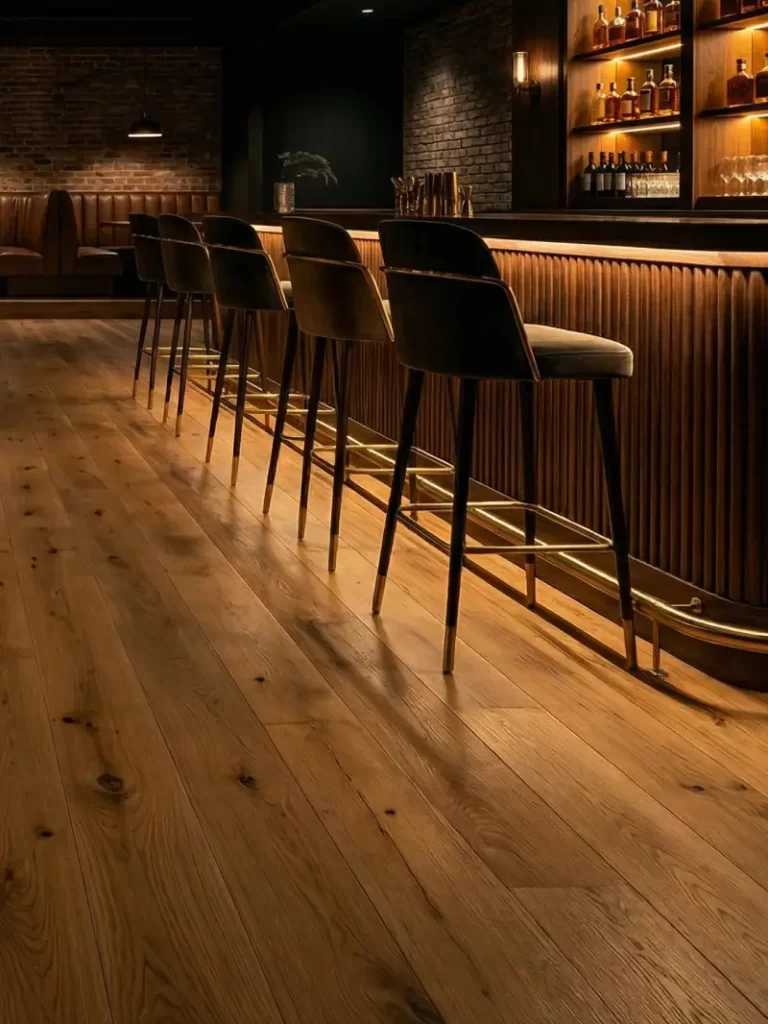
The Future of Flooring: Radical Localism
The specification of luxury materials is fundamentally changing. The era of defaulting to French oak flooring simply because it sounds prestigious is drawing to a close. As the industry evolves, the most respected architectural firms are embracing a philosophy of “Radical Localism.” They are discovering that the most profound and high-performing materials grow right here in North America.
Appalachian White Oak represents the peak of this movement. It offers designers the chance to build with stunning beauty, amazing structural strength, and a highly ethical supply chain. It is a material that does not just cover a floor; it anchors a home’s narrative.
Ultimately, true luxury is no longer about importing prestige from abroad. True luxury is knowing exactly where your materials come from, understanding the legacy they carry, and intentionally choosing products that will stand strong for generations.
INSIDER ACCESS
Bring the Heritage Home
Join our private mailing list. Receive curated design inspiration, stories from our Virginia mill, and priority access to limited wide-plank allocations.
Explore More