The Rich History of Chestnut Lumber
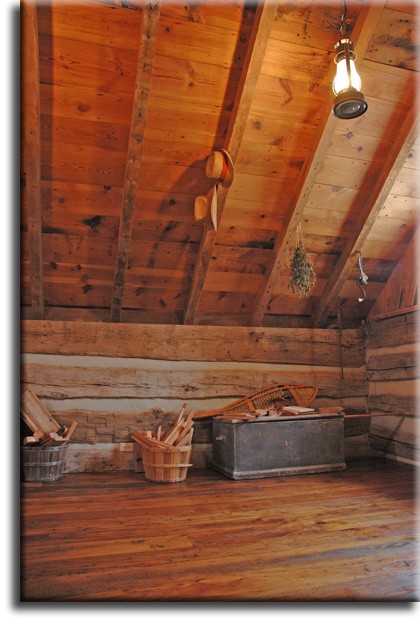
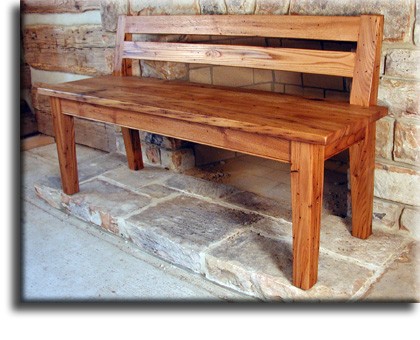
Historically, the American chestnut tree dominated the forests of the eastern United States. These towering giants, which could grow over 100 feet tall and 10 feet in diameter, provided a wealth of strong, rot-resistant wood. Chestnut lumber was widely used for building homes, barns, and furniture due to its durability and accessibility.
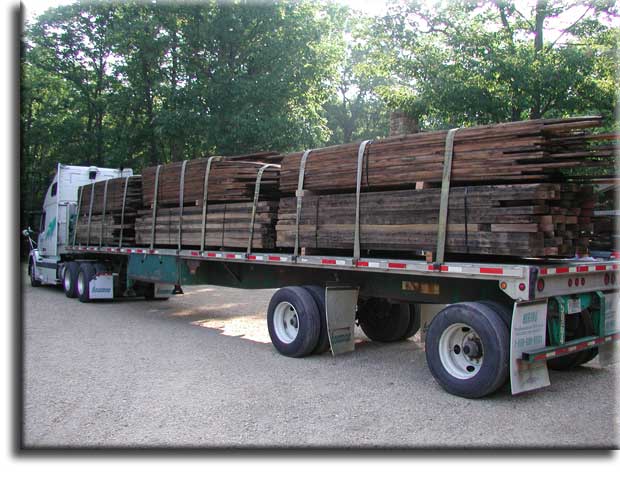
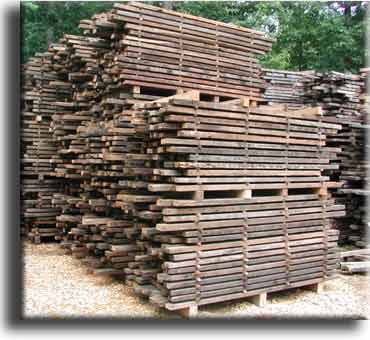
However, a devastating fungal blight in the early 1900s led to the near extinction of the American chestnut. As a result, chestnut lumber became a rare commodity. This rarity is why reclaimed chestnut lumber, sourced from old barns, buildings, and homes, is highly sought after today. Salvaging chestnut beams and planks not only preserves a piece of American history but also provides an environmentally sustainable alternative to freshly harvested lumber.