Discover why reclaimed wood flooring cost reflects more than just timber. Explore the investment value, provenance, and 2026 luxury design trends.
Reclaimed Wood Flooring Cost: A 2026 Luxury Investment Guide
Contents
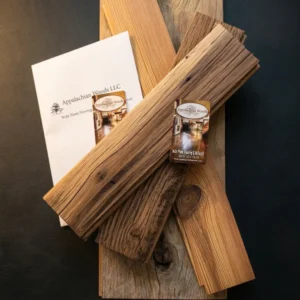
Curate Your Sample Box
Experience the tactile history of the Shenandoah Valley in your own studio.
Step into a bespoke Napa Valley retreat or a meticulously curated boutique hotel, and your eyes are immediately drawn downward. The floor grounds the space, whispering stories of a past life through deep, textured grains and rich, varied tones. When architects and clients first begin specifying these materials, the conversation inevitably turns to the reclaimed wood flooring cost. Why does a material salvaged from an agricultural structure carry a premium price tag compared to off-the-shelf lumber? The answer requires a profound shift in how the luxury design market assigns value to architectural materials in 2026.
We are no longer merely buying square footage; we are investing in architectural provenance. Understanding the economics behind these antique planks reveals a fascinating intersection of heritage preservation, intense artisanal labor, and shifting global design values.
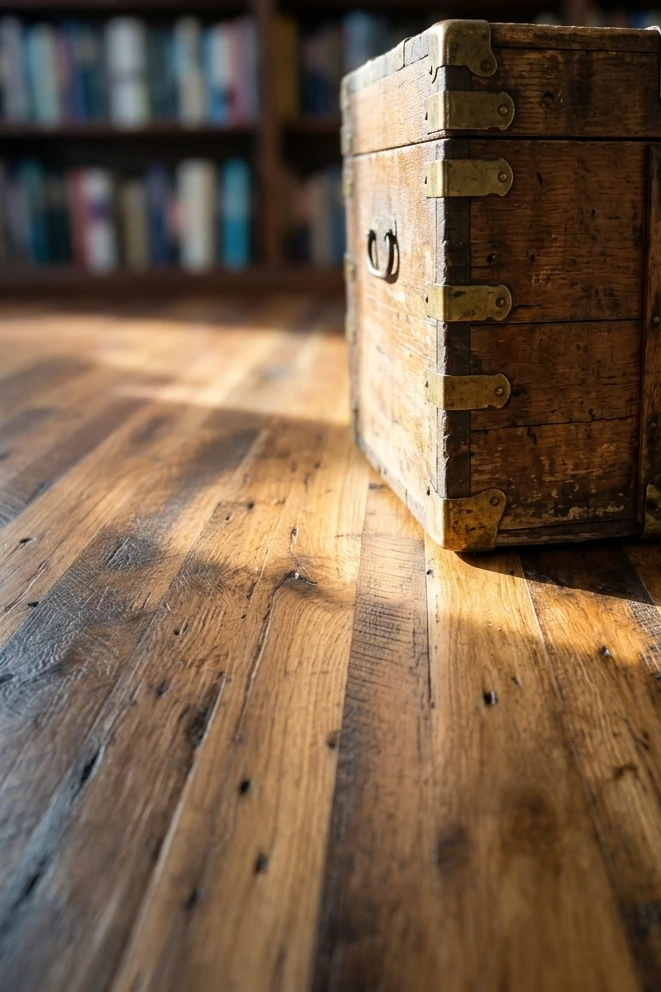
The New Value Paradigm: Decoding Reclaimed Wood Flooring Cost
We are currently navigating a defining era in luxury residential and hospitality architecture. Industry insiders categorize this movement as “Modern Heritage”—a design philosophy that prioritizes authentic, story-rich elements balanced beautifully alongside contemporary minimalism. In this elevated context, evaluating the reclaimed wood flooring cost requires a complete paradigm shift.
Investing in Architectural Art
Designers at leading residential firms recognize that true luxury is increasingly defined by what cannot be easily mass-produced. You are not simply purchasing a walking surface. Instead, you are acquiring architectural art. The sterile, perfectly uniform interiors that dominated the past decade feel increasingly flat to modern sensibilities. Consequently, discerning homeowners crave environments that feel grounded, curated, and distinctly irreplaceable.
The Shift Toward Authenticity
While beautiful, newly milled hardwoods are readily available and physically flawless, the distinct, weathered patina of a century-old oak beam offers a narrative that new growth simply cannot replicate. This soaring demand for authenticity fundamentally reshapes how professionals and homeowners alike understand the reclaimed wood flooring cost. The price tag reflects the scarcity of the resource. There is a finite amount of 19th-century timber left standing in the American landscape, and as those reserves dwindle, the intrinsic value of the material naturally climbs.
HERITAGE NOTE
"You are not simply purchasing a walking surface. Instead, you are acquiring architectural art."
Provenance as a Tangible Asset
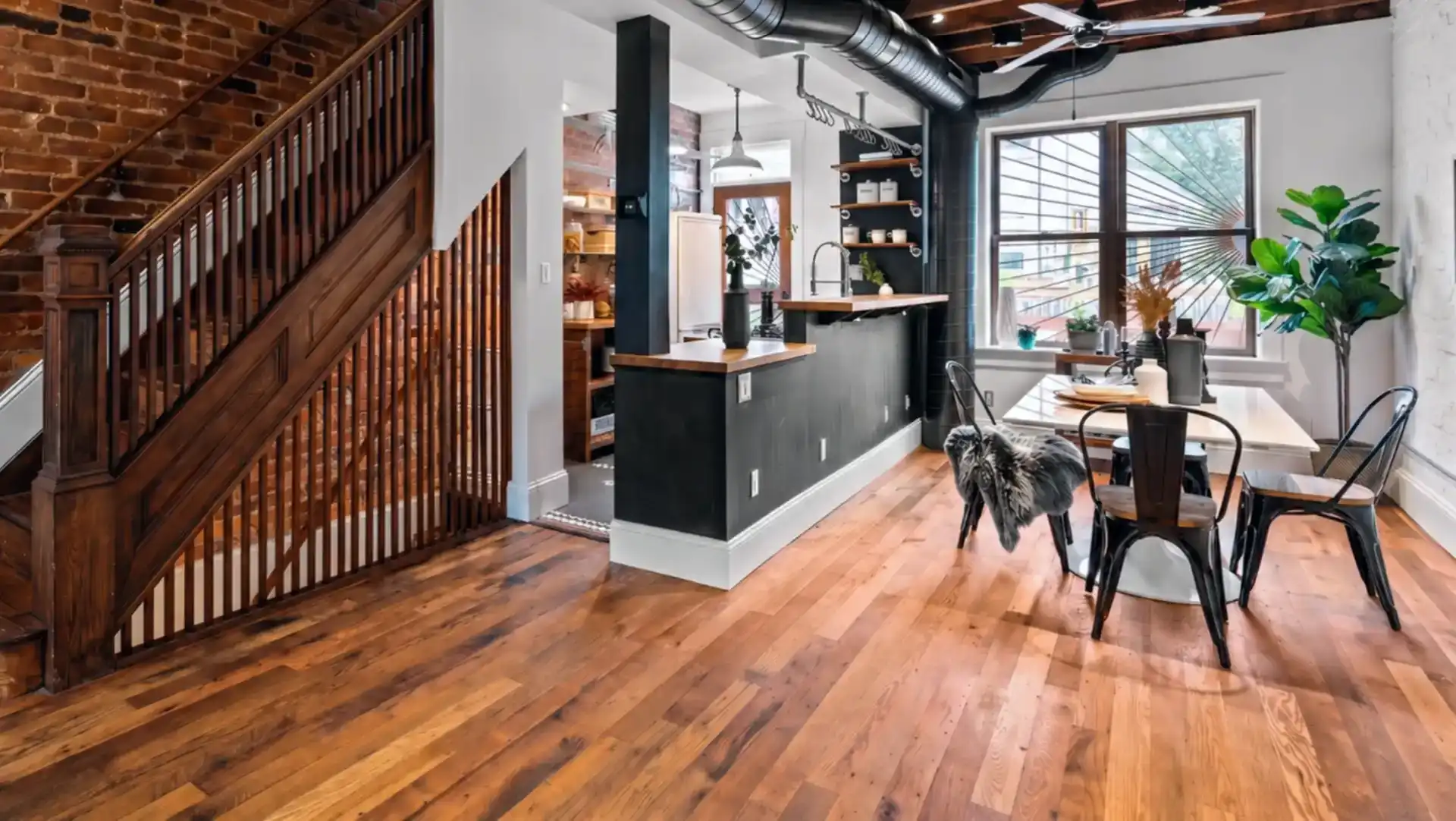
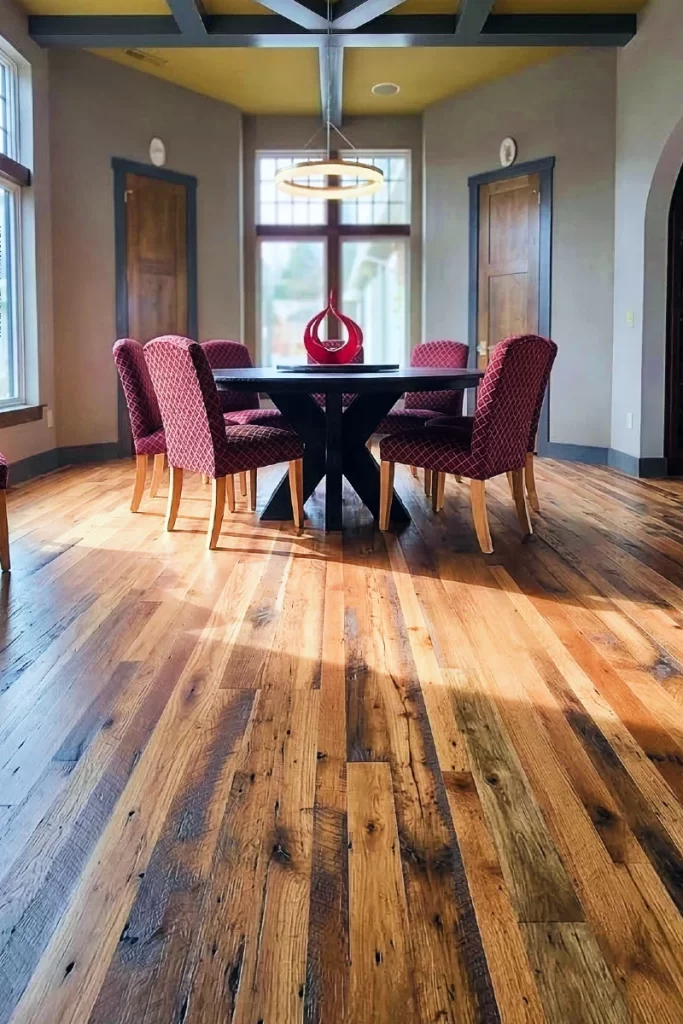
Provenance is a term historically reserved for the appraisal of fine art and rare antiques. Today, it has become the absolute cornerstone of high-end interior material selection. When you specify antique barn board Oak for a custom home project, you are literally acquiring a piece of American history.
The Emotional Currency of Materials
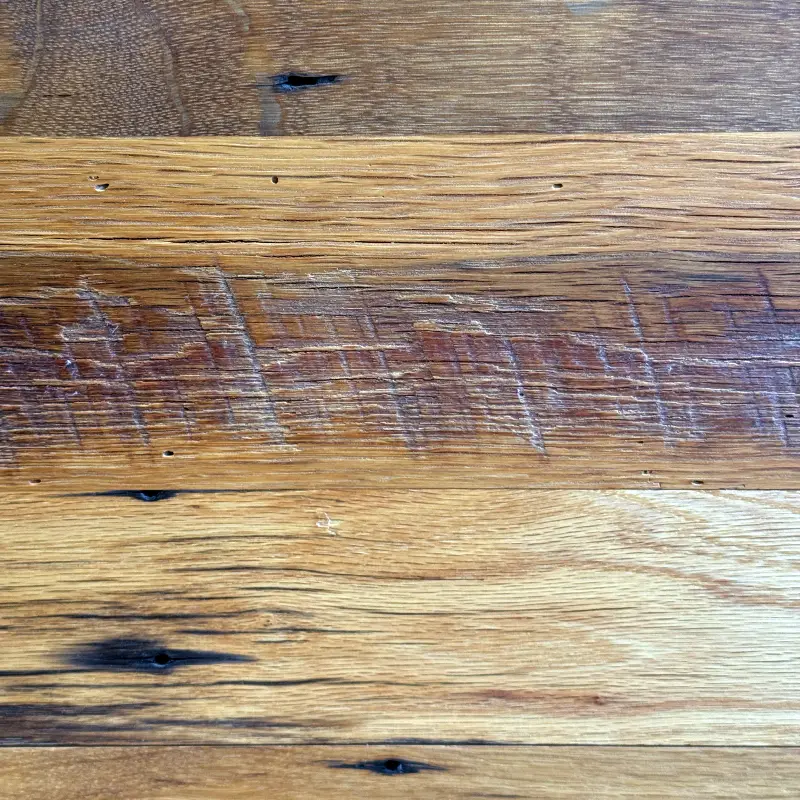
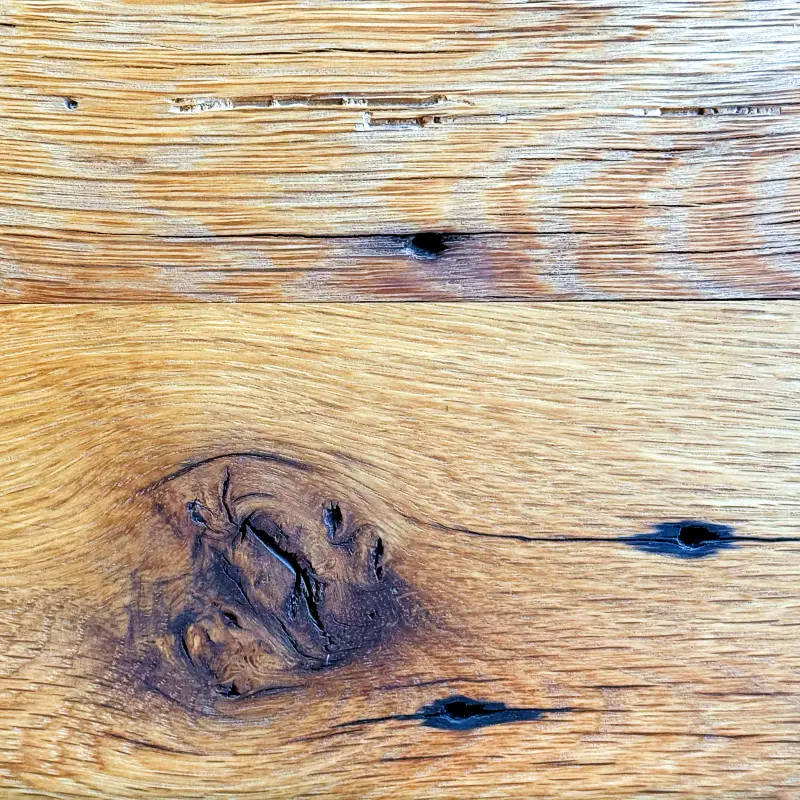
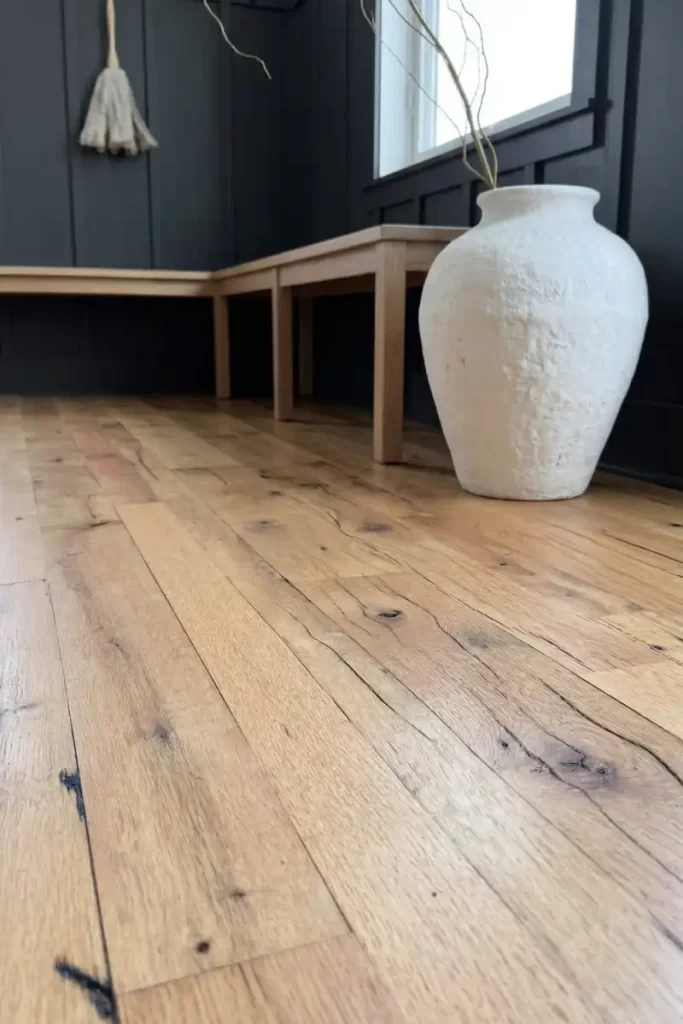
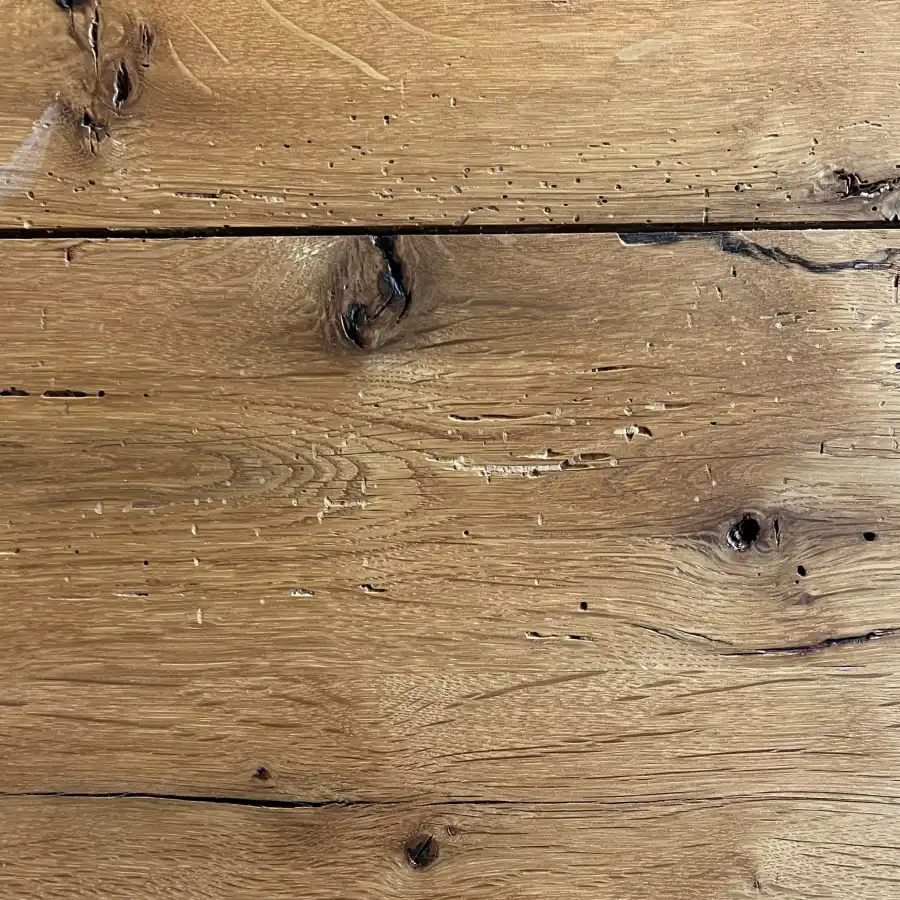
This rich historical context adds a powerful layer of emotional currency to a project. Imagine walking barefoot across wide planks that once served as the structural bones of an 1800s Shenandoah Valley agricultural building. The subtle scars, the darkened nail holes, and the rhythmic original saw marks are not defects; they are badges of honor.
The Exclusivity of Finite Resources
Consequently, the reclaimed wood flooring cost reflects this perceived authentic premium. It is the exclusivity of owning a finite, non-renewable resource. Discerning clients are not deterred by the price; rather, they understand they are paying for the “instant legacy” these planks impart on a space. It immediately roots a brand-new custom build in a deep sense of history, bypassing the decades it would take for a new floor to acquire a similar visual depth.
HERITAGE NOTE
"The distinct, weathered patina of a century-old oak beam offers a narrative that new growth simply cannot replicate."
The ROI of Authentic Provenance: Beyond Functionality
A common, yet entirely incorrect, assumption in the building industry is that reclaimed wood flooring commands a higher price because it is inherently more durable than “new” flooring. Let us clarify this immediately: premium, newly milled Appalachian hardwoods offer exceptional, lifetime durability. Both new and antique options will serve a home flawlessly for generations. Therefore, the true return on investment (ROI) for reclaimed materials is not found in functional superiority.
Calculating the Intangible Value
Instead, the ROI hinges entirely on aesthetic exclusivity and narrative power. The reclaimed wood flooring cost is justified by the immediate warmth, the complex color variations, and the irreplaceable patina the material brings to the built environment. According to insights from Luxe Interiors + Design, the luxury market places a massive premium on “Quiet Luxury”—spaces that whisper quality through material integrity rather than shouting through overt branding.
The Premium of “Instant Legacy”
It transforms a newly framed structure into a home with a soul. For luxury real estate developers and custom builders, integrating these heritage materials often translates directly to higher appraisal values and faster sales in competitive luxury markets like Aspen or the Hamptons. Buyers perceive the authentic premium of the wood as a marker of the home’s overall bespoke quality.
2026 Design Trends: The Modern Heritage Movement
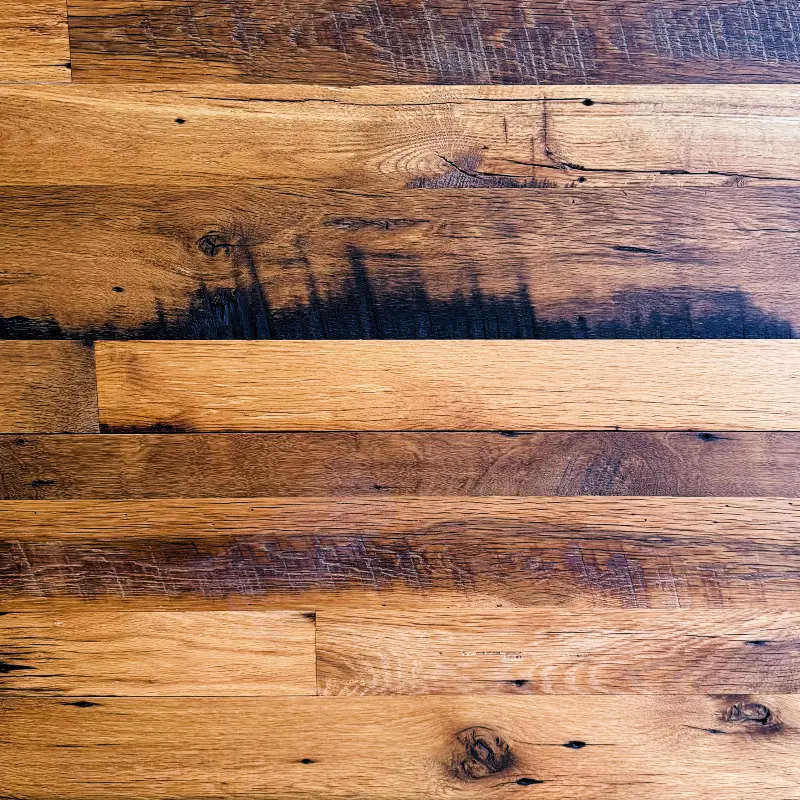
To fully grasp the economic dynamics driving the reclaimed wood flooring cost, we must analyze current design trajectories. We are witnessing a massive industry pivot. The cool grays and ultra-minimalist interiors of the late 2010s have firmly given way to warmer, highly tactile environments.
Biophilic Design and Material Drenching
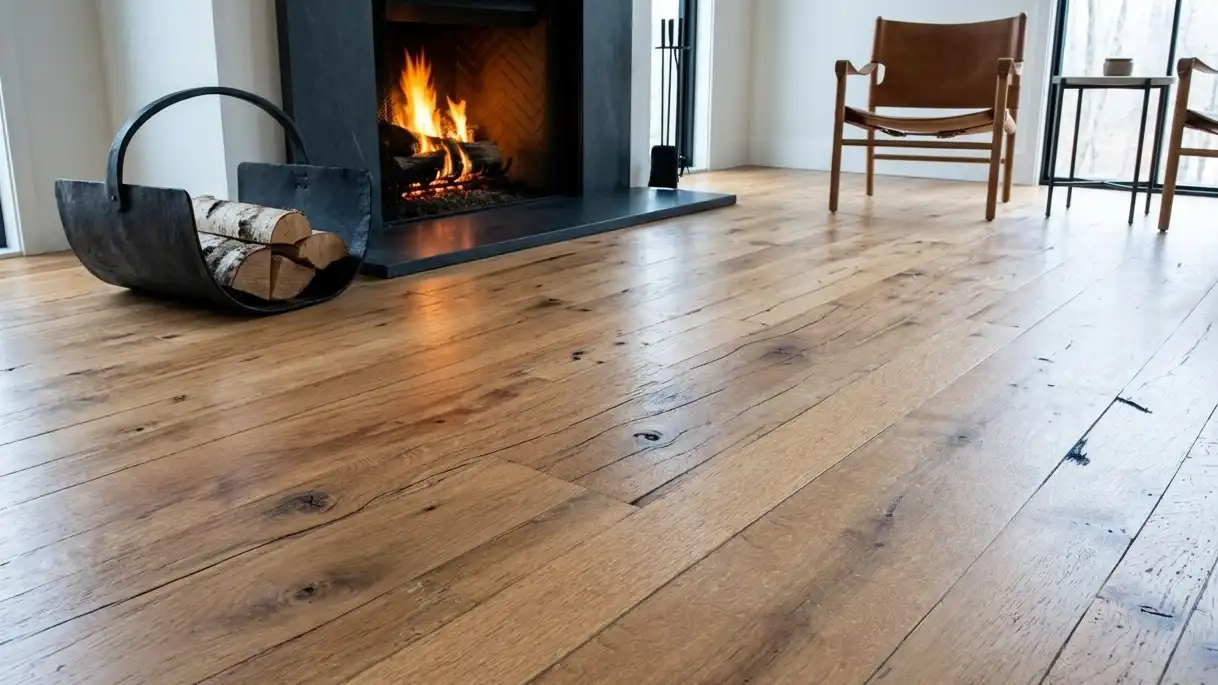
Leading publications like Architectural Digest highlight the growing mandate for “biophilic design”—the strategic integration of natural elements to promote psychological wellness within a space. Furthermore, we are seeing a dramatic surge in “material drenching.” This technique involves using a single, richly textured material—like antique oak—to wrap from the floor seamlessly up the walls and across the ceiling.
Tastemaker Influence
Trends spearheaded by influential digital tastemakers like Studio McGee heavily feature these organic textures and warm, grounding elements. Their specific flavor of modern rustic design relies on the authentic texture of old wood to soften sharp, contemporary architectural lines. The reclaimed wood flooring cost is intrinsically tied to this surge in popularity. As top-tier designers seek out finite antique materials to execute these highly sought-after aesthetics, demand heavily outpaces the slow, arduous supply chain.
HERITAGE NOTE
"An artificially low quote is often a major red flag, indicating poorly processed wood that will inevitably cause installation nightmares."
Macroeconomic Factors Influencing Reclaimed Wood Flooring Cost
Transparency is essential when discussing material budgets for luxury builds. The reclaimed wood flooring cost is not arbitrary; it is directly dictated by rigorous processing standards and broader macroeconomic realities. Reclaiming wood is a labor of love, and expert labor is incredibly expensive.
The Impact of Fuel and Transport
Sourcing genuine antique wood requires dismantling structurally compromised barns and industrial buildings, which are almost exclusively located in remote rural areas. Transporting this heavy, raw, and often awkward salvage to a specialized milling facility is highly dependent on global transportation economics. When high fuel prices surge, they directly and immediately increase the initial acquisition and freight costs of the raw lumber.
The Intense Labor of Reclamation
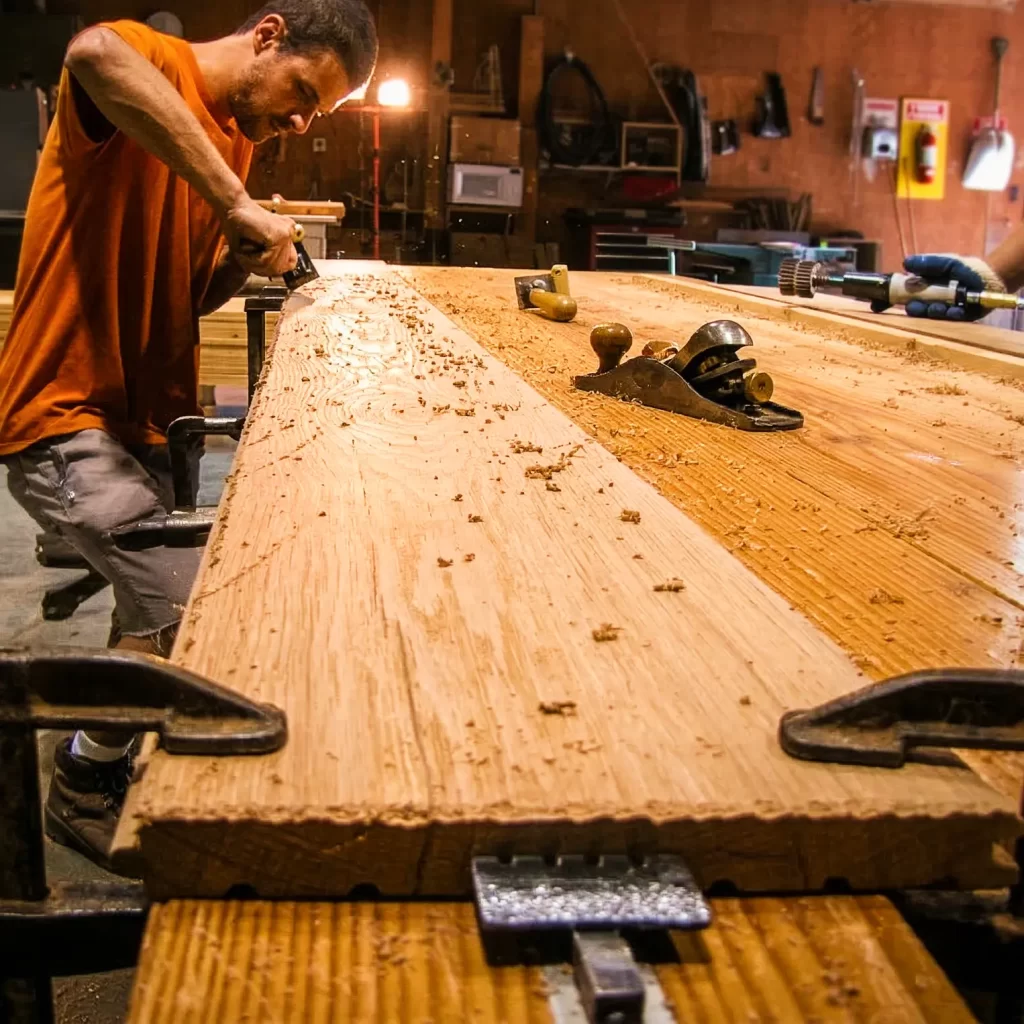
Once the raw material arrives at the mill, the true, painstaking work begins. Reclaimed wood processing is an intensely manual, hands-on endeavor. Unlike a modern logging operation where uniform trees are processed automatically, every single antique board must be meticulously scanned by hand with highly sensitive metal detectors.
Workers must manually extract decades-old square nails, embedded screws, lead bullets, and forgotten bolts. If a single piece of embedded iron makes it through to the milling machinery, it can shatter a massive, expensive steel blade instantly—halting production and causing thousands of dollars in damage. This slow, deliberate, and highly specialized de-nailing process is a primary factor driving the reclaimed wood flooring cost. Labor rates continue to rise, and this process simply cannot be automated.
Species Rarity and Low Yield Ratios
Furthermore, species rarity plays a massive role in the final price. Reclaimed American Chestnut, for example, is functionally extinct and incredibly rare. Even historically common woods like Reclaimed Oak are a finite resource.
Additionally, the yield from a salvaged structure is notoriously low. A custom home builder might look at a massive timber-frame barn and see endless flooring, but the reality is much harsher. Much of the salvaged wood is ultimately unusable for premium interior flooring due to extreme rot, severe insect damage, or deep structural fracturing. Millworkers must trim away the unusable sections, meaning a massive beam might only yield a few pristine, character-grade floorboards. This incredibly low yield ratio naturally elevates the price of the final, usable product.
HERITAGE NOTE
"The true return on investment for reclaimed materials is not found in functional superiority, but in aesthetic exclusivity and narrative power."
Specifying for Success in Custom Builds
For architects, interior designers, and custom home builders, effectively managing the reclaimed wood flooring cost also involves strategic, early-stage specification. Understanding the unique logistical nuances of the material ensures a smooth installation process and a breathtaking final result.
Navigating Lead Times
Because every batch of heritage wood is custom-milled to the specific requirements of the project, lead times are inherently longer than those for mass-produced, off-the-shelf products. We strongly recommend engaging with us very early in the architectural planning phase. This allows our mill to source, dry, and profile the perfect batch of wood without delaying the critical path of the construction schedule.
Calculating Waste and Managing Expectations
Furthermore, seasoned custom builders know to calculate a slightly higher waste factor when working with antique materials. While standard new lumber might require a 5% to 7% waste allowance, reclaimed materials typically require a 10% to 15% allowance. While this is true for many suppliers, here at Appalachian Woods we aim to send out 100% usable floor planks but do recommend 8% – 10% overage for trimming during installation and fine tuning the grade. When specifying our signature Antique Barn-Board Oak, planning for this slightly higher waste factor ensures your installation crew has enough material to seamlessly color-match and achieve the perfect aesthetic flow, avoiding costly mid-project delays.
Aesthetic language should always serve these functional arguments. The beauty of the wood is paramount, but its successful integration relies on practical, experienced project management.
Investment FAQs: Understanding Reclaimed Wood Flooring Cost
When navigating hard surface specifications, clients frequently ask similar questions regarding long-term value and budget allocation. Here are the most common inquiries regarding the reclaimed wood flooring cost.
Why does reclaimed wood cost significantly more than new hardwood?
The premium price tag stems almost entirely from the intense, manual labor required for the reclamation process. From the delicate, piece-by-piece dismantling of historic structures and rural transport to the rigorous hand-denailing and custom milling, the workflow is far more time-consuming and labor-intensive than harvesting and processing new lumber. You are directly paying for preservation, history, and specialized artisanal labor.
Does antique flooring increase the resale value of a luxury home?
Absolutely. High-end buyers actively seek out estates with unique, authentic architectural details that cannot be easily replicated. According to luxury real estate monitors like Mansion Global, bespoke features like authentic barn board flooring are frequently highlighted in premium property listings, contributing to a higher perceived overall property value and accelerating the sales cycle.
How should custom builders evaluate quotes from different suppliers?
Never look solely at the bottom line when comparing quotes. Evaluate the supplier’s documented chain of custody, their rigorous kiln-drying processes, and the precision of their milling. An artificially low reclaimed wood flooring cost upfront is often a major red flag. It typically indicates poorly processed wood that still contains moisture or metal, which will inevitably cause installation nightmares, structural warping, and massive, expensive delays on the job site.
Can I mix reclaimed materials with contemporary finishes?
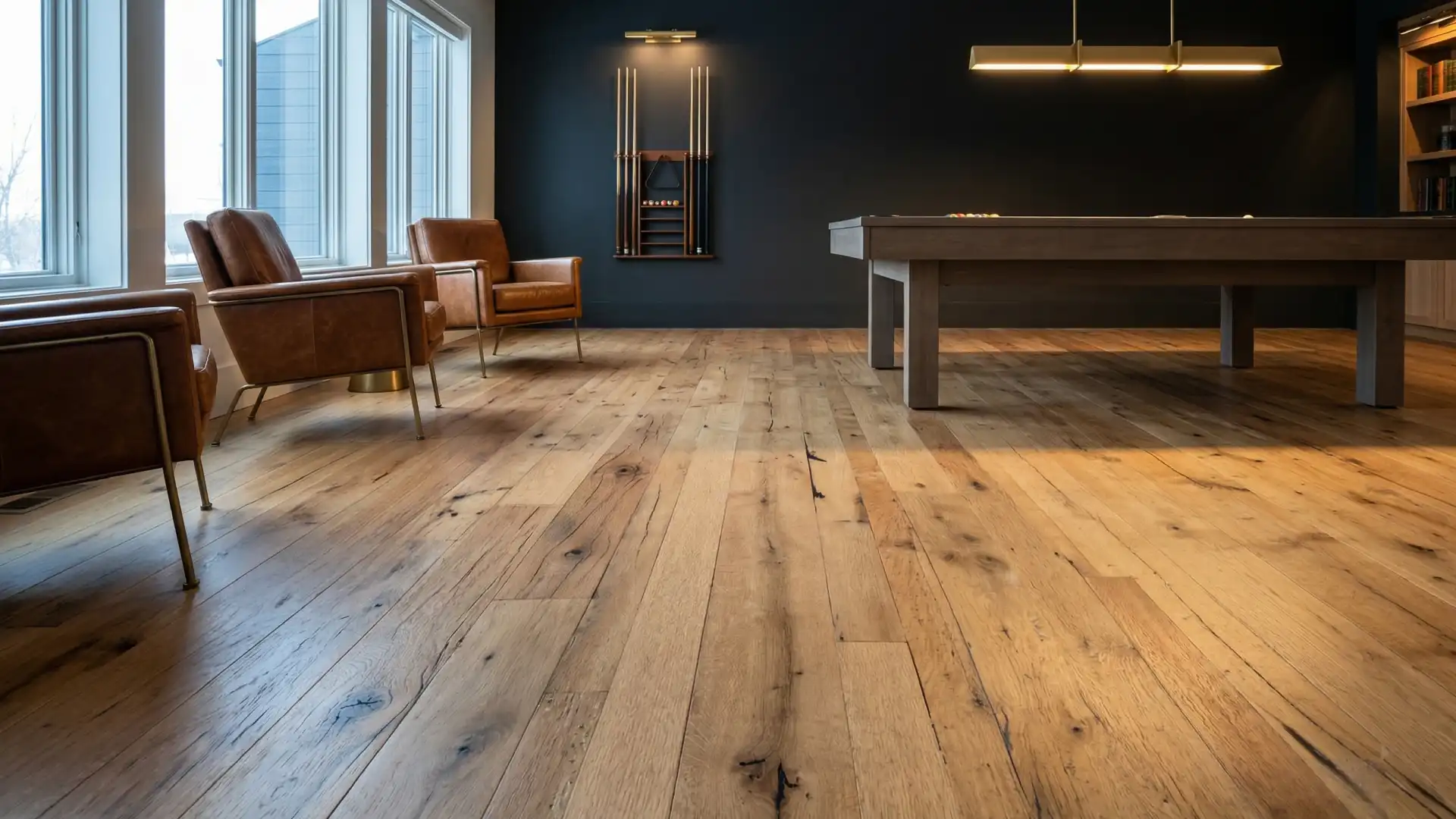
Yes, this is the very definition of the “Modern Heritage” aesthetic. In fact, the deep, rustic textures of antique wood look incredibly striking when juxtaposed against sleek, contemporary finishes like honed marble countertops, unlacquered brass fixtures, and crisp, modern drywall. The contrast highlights the beauty of both elements.
The Future of Heritage
Ultimately, accepting the reclaimed wood flooring cost is a reflection of a deeply conscious design choice. It represents a steadfast commitment to environmental sustainability, authentic architectural storytelling, and the preservation of irreplaceable American craftsmanship.
As the luxury market continues to fiercely embrace the Modern Heritage philosophy, the intrinsic value of these finite materials will only deepen. By choosing to specify reclaimed wood over mass-produced alternatives, you are doing far more than just building a beautiful house. You are curating a highly personal legacy—one that is quite literally embedded in the foundation of your home, ready to resonate powerfully for generations to come.