Master material honesty in your next project. Discover why commercial reclaimed wood is the ultimate organic counterpoint for modern hospitality spaces.
Commercial Reclaimed Wood: 5 Rules for Material Honesty
Contents
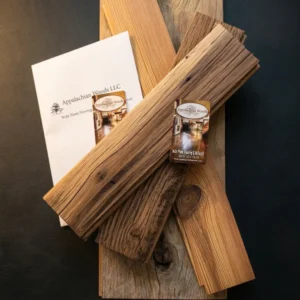
Curate Your Sample Box
Experience the tactile history of the Shenandoah Valley in your own studio.
The End of “Faux-thenticity” in Hospitality
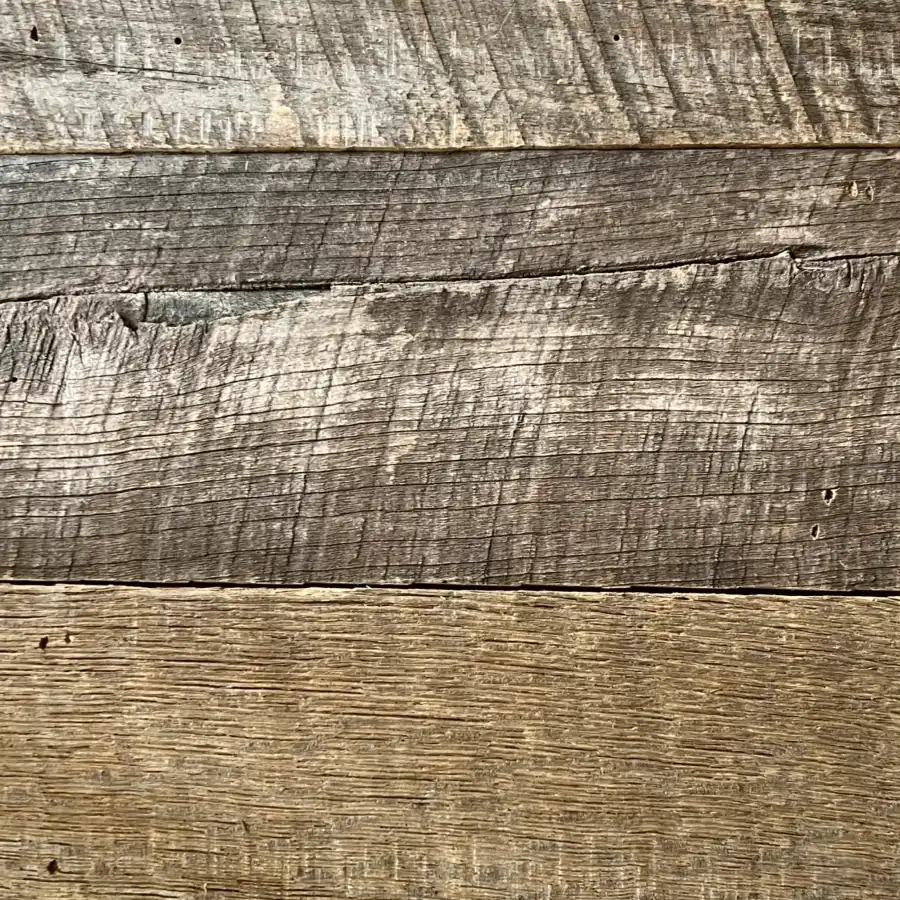
Step into the lobby of any newly commissioned boutique hotel or high-end retail flagship, and the architectural shift is immediately palpable. The era of visually loud, synthetic surfaces has quietly ended, replaced by the necessary grounding presence of commercial reclaimed wood. Specifically, designers are wielding this material not as a rustic afterthought, but as a foundational element of modern architecture. They are seeking out old-growth timber to solve a distinct modern problem: how to make expansive, hyper-modern spaces feel human.
Consequently, the specification of heritage materials has evolved from a niche sustainability practice into a baseline expectation for luxury environments. A discerning clientele no longer accepts high-end laminates or engineered veneers masquerading as the real thing. Instead, they demand material honesty. They want to touch surfaces that carry a genuine patina, offering an irreplaceable connection to the past. As a result, the integration of antique timber has become the ultimate flex in high-budget commercial design. Ultimately, utilizing genuine heritage lumber sets a project apart, anchoring sleek, minimalist aesthetics in something deeply organic and unapologetically real.
The Shift Toward Material Honesty in Architecture
Over the last decade, the commercial design sector flirted heavily with artificial perfection. Manufacturers produced highly resilient, photographically printed vinyls and engineered composites that promised the look of wood without the unpredictability of organic matter. However, the hospitality industry quickly learned a hard lesson about these synthetic substitutions. While they perform adequately under foot traffic, they fail entirely at generating emotional resonance.
Indeed, a space devoid of natural imperfection often reads as sterile. Leading voices in the industry, highlighted frequently in publications like Dezeen, now advocate for a return to raw, unpretentious materiality. They argue that a luxury space must age gracefully, developing character rather than simply degrading over time.
Defining the Modern Heritage Movement
This ideological pivot has birthed the “Modern Heritage” movement. Essentially, this design philosophy blends contemporary, minimalist structural lines with the warmth, history, and craft of traditional materials. By extension, it forces architects to think critically about the lifecycle of their specified surfaces.
When a designer specifies an authentic material, they are making a deliberate choice about how a room will sound, feel, and age. For instance, the friction between a sleek, cold material like polished brass and the weathered face of a century-old barn beam creates a necessary visual tension. Consequently, this tension is what elevates a basic retail build-out into a deeply memorable flagship experience.
Commercial Reclaimed Wood: The Ultimate Organic Counterpoint
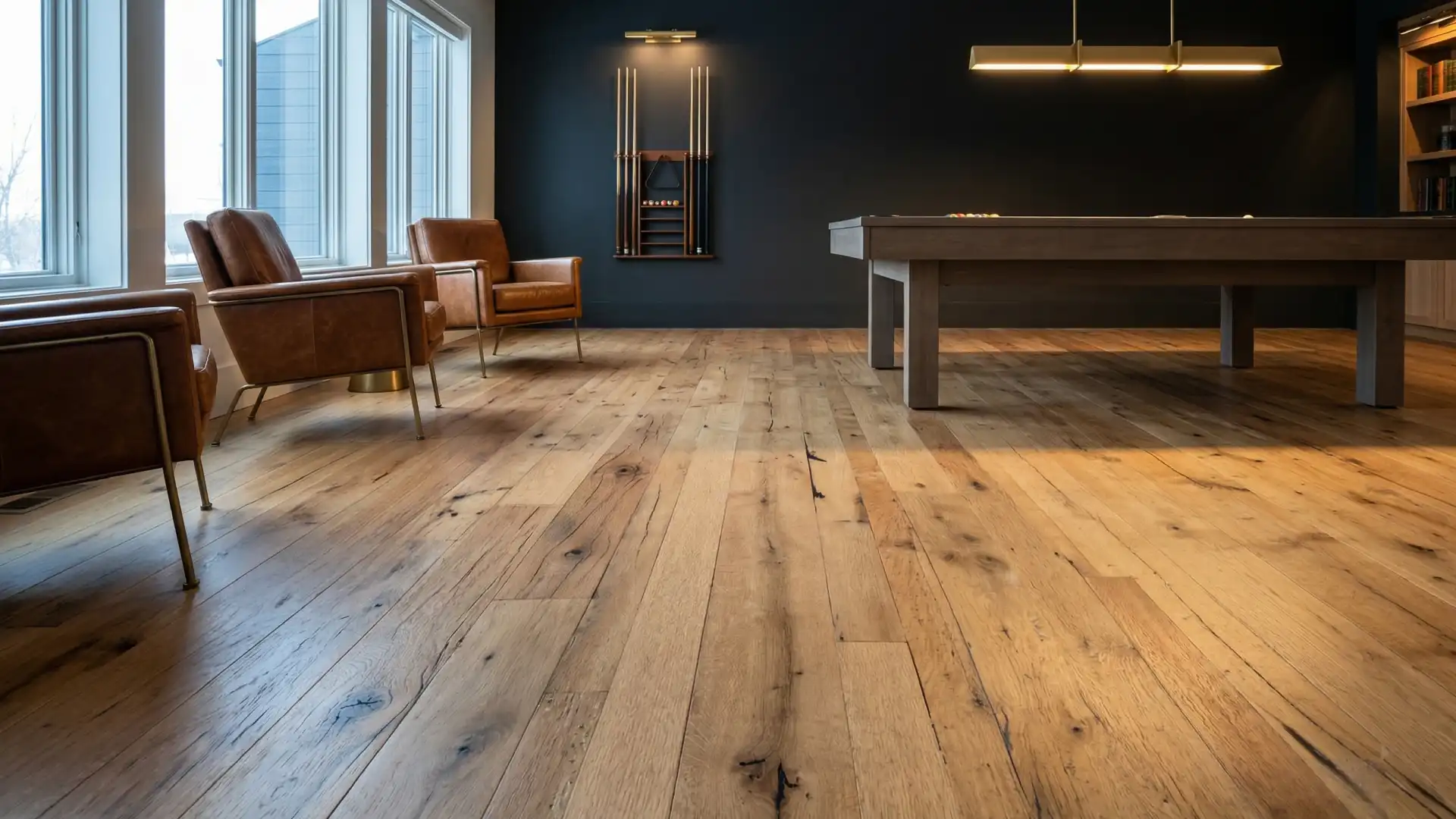
Achieving this delicate balance of tension requires the right materials. This is exactly where commercial reclaimed wood proves its architectural worth. When paired with the glass, steel, and concrete that dominate contemporary commercial construction, heritage timber acts as the ultimate organic counterpoint. It introduces a necessary visual softness that interrupts rigid architectural grids.
Furthermore, the dense, tight grain of old-growth lumber—harvested centuries ago and naturally cured over decades of prior use—provides a structural stability that fast-grown modern timber simply cannot match. Therefore, it is uniquely suited for the rigorous demands of commercial environments.
Acoustic Softening in High-Volume Spaces
Beyond mere aesthetics, reclaimed timber performs a critical functional role in large-scale hospitality design. Large, open-concept restaurants and hotel lobbies notoriously suffer from severe acoustic issues. Hard surfaces bounce sound waves mercilessly, creating a cacophony that ruins the guest experience.
Specifically, the irregular, deeply textured surface of naturally weathered wood helps to diffuse these sound waves. When applied as a ceiling treatment or an expansive feature wall, it dramatically softens the acoustic profile of a room. As a result, architects can maintain their vast, airy volumes without sacrificing the intimate, conversational atmosphere required in luxury hospitality.
HERITAGE NOTE
Ultimately, this level of custom curation allows designers to treat our floors not just as a walking surface, but as the foundational canvas of the entire project.
Anchoring the Space: Antique Oak for High-Traffic Zones
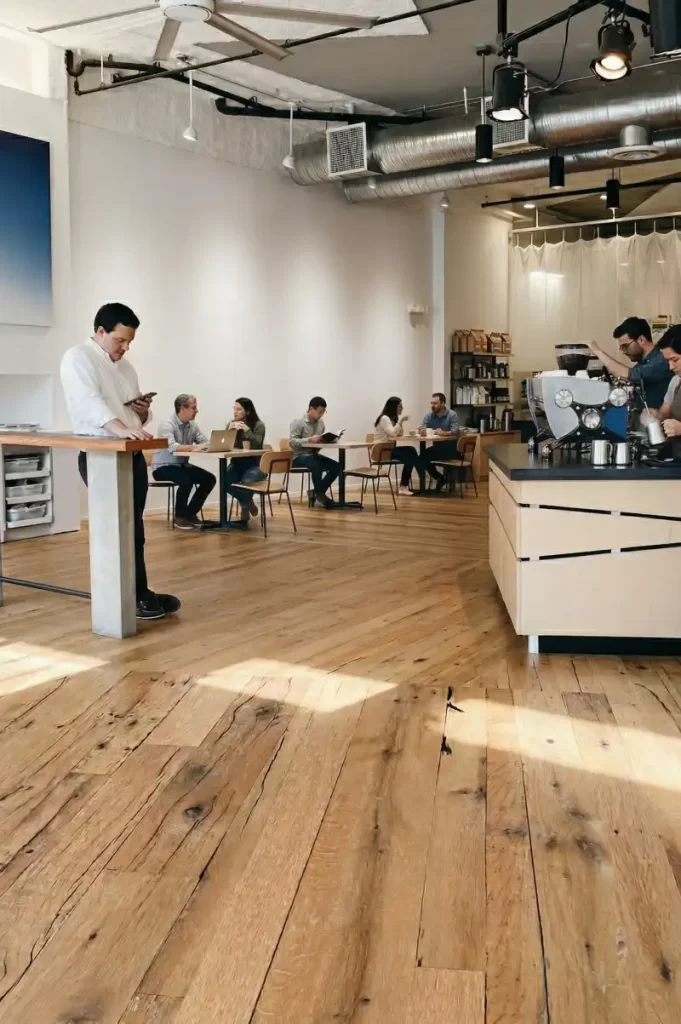
When specifying flooring for boutique retail or bustling hotel corridors, the conversation immediately shifts from aesthetics to aggressive performance metrics. Commercial environments punish floors. High heels, rolling luggage, and constant footfalls demand a material with formidable Janka hardness ratings and exceptional dimensional stability.
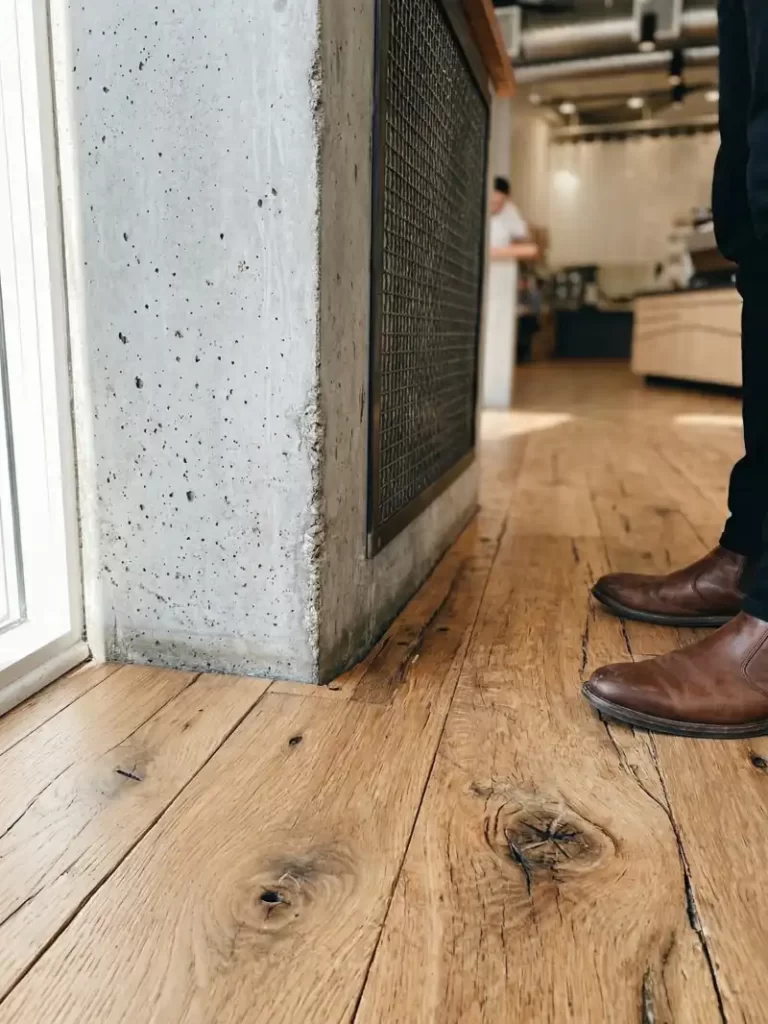
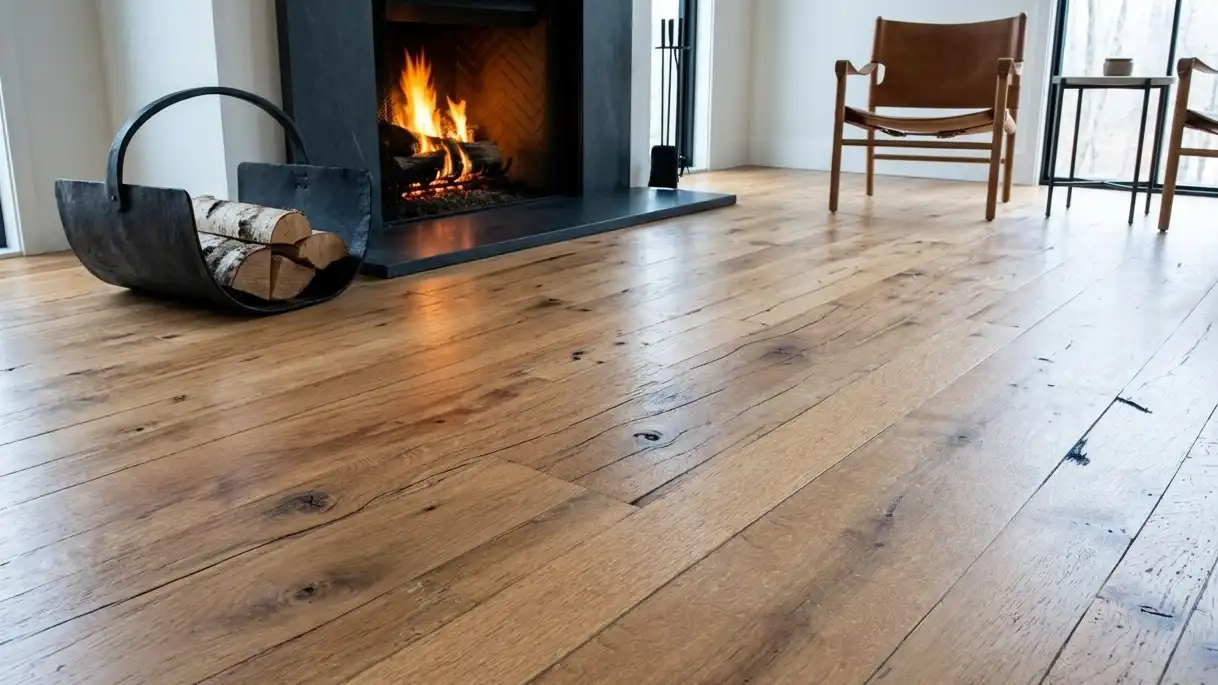
Consequently, antique oak has emerged as the premier choice for specifiers who refuse to compromise on either durability or design. Because this oak was originally harvested from virgin forests hundreds of years ago, its growth rings are incredibly tight. This density translates directly into superior wear resistance, making it an ideal foundation for high-traffic zones.
The Appalachian Woods Approach
Sourcing this specific caliber of material requires a partner who understands both historical preservation and commercial-grade milling. At Appalachian Woods, we have built a decades-long reputation on rescuing and precisely milling antique timber that meets the exact tolerances required by luxury builders. We know firsthand that commercial projects demand consistency without sacrificing character.
Rather than mass-producing generic planks, we provide a bespoke architectural system. For instance, our antique beam sawn oak flooring is crafted by carefully slicing massive, century-old structural beams. This specific milling technique yields exceptional stability and exposes a refined, straight grain pattern. Ultimately, this level of custom curation allows designers to treat our floors not just as a walking surface, but as the foundational canvas of the entire project.
Biophilic Resonance: Why Commercial Reclaimed Wood Outperforms Synthetics
The architectural embrace of nature is no longer just a trend; it is a scientifically backed imperative. Biophilic design principles dictate that human beings have an innate biological need to connect with natural elements within the built environment. Commercial reclaimed wood satisfies this requirement more effectively than almost any other building material.
Unlike new lumber, which can sometimes look uniform and manufactured, heritage wood proudly displays the marks of its previous life. Nail holes, saw marks, and intricate grain variations provide intense visual stimulation. According to independent environmental design research, this kind of multi-sensory integration—where a material looks exactly as it feels—significantly lowers stress and increases feelings of comfort in occupants.
The Psychology of Tactile Surfaces
In a boutique retail setting, making a customer feel grounded and relaxed directly impacts their dwell time and purchasing behavior. Similarly, in a hospitality environment, a guest’s perception of luxury is heavily influenced by the tactile authenticity of their surroundings.
Consequently, when a guest runs their hand along a heritage timber reception desk, their brain registers the organic reality of the material. Synthetics create a subconscious cognitive dissonance; they look like wood but feel like plastic. Indeed, overcoming this dissonance is why top-tier design firms insist on authentic timber for all high-touch surfaces.
HERITAGE NOTE
Synthetics create a subconscious cognitive dissonance; they look like wood but feel like plastic.
The “Modern Heritage” Aesthetic in Practice
To understand how this philosophy materializes in the real world, one only needs to look at the crossover between high-end residential trends and boutique commercial spaces. Influential residential studios, such as Studio McGee, have championed the “Modern Heritage” look, seamlessly mixing clean, contemporary lines with rustic, heavily patinated elements.
This specific aesthetic language has aggressively bled into the commercial sector. Boutique hotel brands are abandoning the corporate, cookie-cutter aesthetic of the early 2000s in favor of spaces that feel like highly curated, luxurious custom homes. Ultimately, guests want to feel like they are stepping into an exclusive, private estate rather than a transient commercial property.
Balancing Tension and Texture with Brown Board
Executing this crossover effectively requires restraint. The goal is never to recreate a historic barn or a rustic lodge. Instead, designers use heritage wood sparingly but impactfully. They look for specific patinas that offer rich contrast without overwhelming the eye.
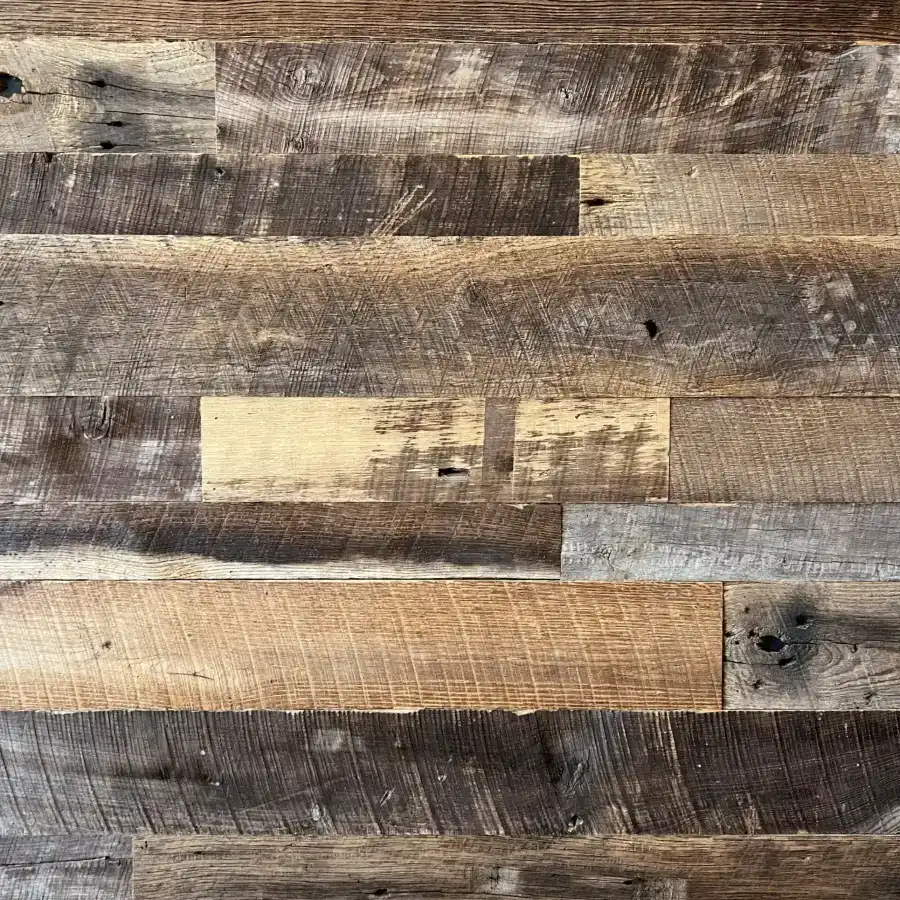
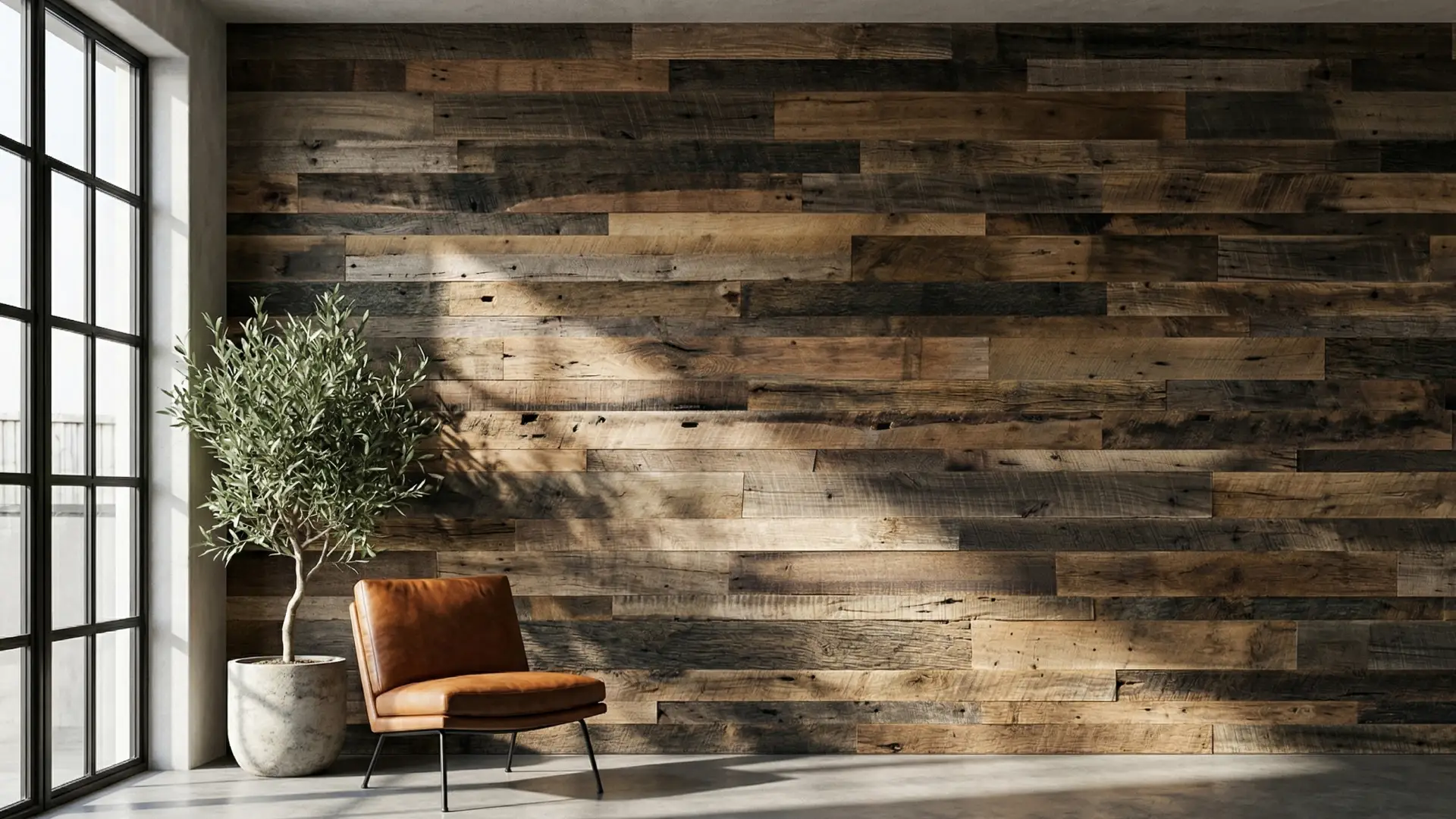
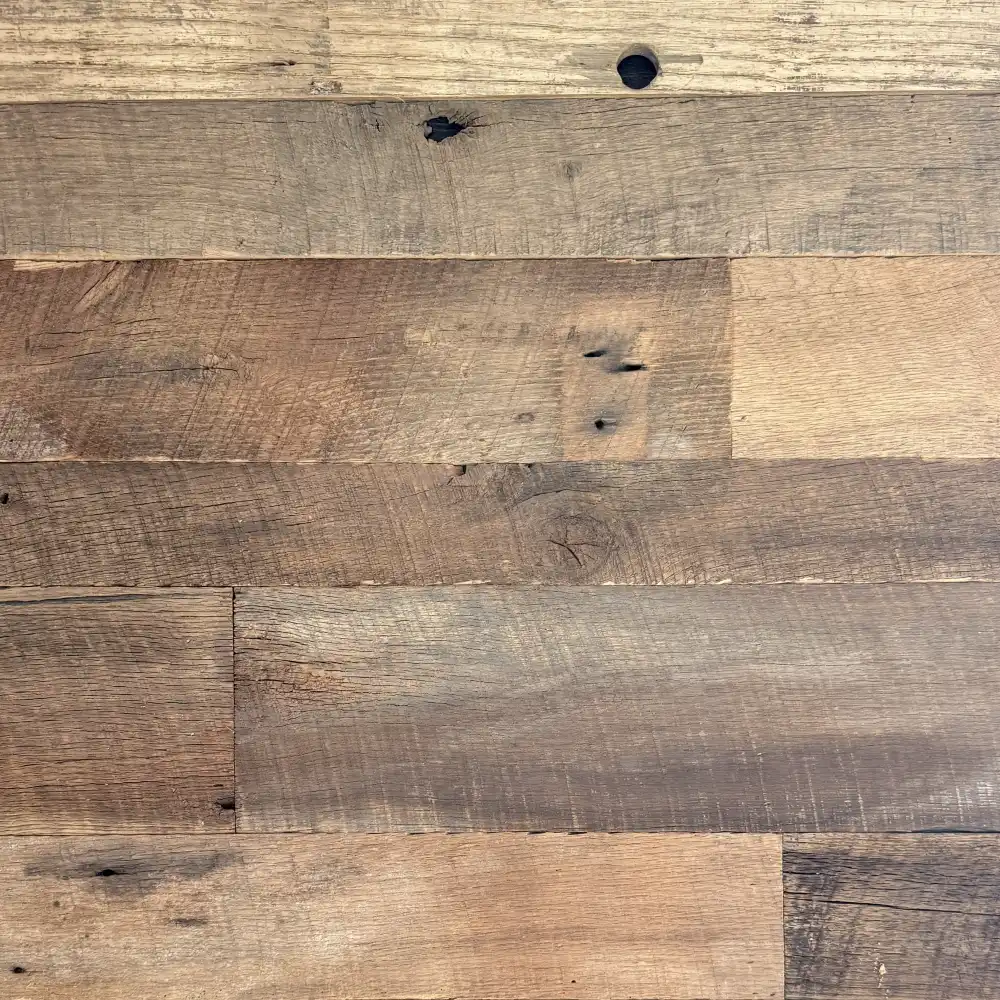
For instance, a hyper-minimalist retail showroom featuring stark white walls and polished concrete floors might utilize a massive, continuous feature wall made from our reclaimed brown board wall planks. These boards, which aged naturally on the interior of antique barns, boast a rich, warm brown patina untouched by paint or weather. This single, textured intervention warms the entire space without diluting the modern aesthetic. Consequently, the commercial reclaimed wood becomes the focal point precisely because of its contrast with the surrounding modern materials.
Specifying Provenance: Chain of Custody as a Brand Asset
Beyond structural performance and biophilic benefits, heritage timber offers a distinct marketing advantage: narrative weight. Today, luxury consumers are deeply invested in the provenance of the spaces they inhabit and the brands they support. They want to know the story behind the architecture.
When an architect specifies a material, they are essentially writing the first chapter of the building’s brand identity. Using wood salvaged from a 19th-century textile mill or a decommissioned agricultural structure provides an immediate, authentic narrative. Consequently, this chain of custody transforms a simple architectural feature into a compelling storytelling asset for the hotel or retail operator.
Sustainability Beyond the Certificate
Furthermore, this narrative perfectly aligns with aggressive modern ESG (Environmental, Social, and Governance) goals. While newly harvested, sustainably certified timber is a positive choice, utilizing existing historic lumber represents the pinnacle of sustainable architecture. It requires zero new deforestation and drastically reduces the embodied carbon of the construction project.
As a result, specifying heritage materials often contributes significantly to LEED certification points. More importantly, it demonstrates a brand’s genuine commitment to environmental stewardship. Ultimately, it proves that a company is willing to invest in materials that are intrinsically responsible, rather than simply relying on administrative eco-labels.
Frequently Asked Questions
What makes commercial reclaimed wood different from residential wood?
While the source material may be similar, commercial applications require much stricter grading and milling tolerances. Commercial environments face exponentially higher foot traffic and fluctuating humidity levels. Therefore, as suppliers, we ensure our wood is kiln-dried to precise moisture contents and milled to ensure supreme structural stability, particularly for wide-plank flooring.
Is reclaimed oak durable enough for high-traffic boutique retail?
Yes, antique oak is exceptionally durable. Because it was harvested from slow-growing, old-growth forests centuries ago, its grain is significantly denser than newly harvested oak. Consequently, our beam-sawn oak boasts a very high Janka hardness rating, making it highly resistant to dents, scratches, and the heavy wear typical of retail environments.
Why choose “brown board” over gray weathered barnwood for modern spaces?
Brown board offers a refined, warmer aesthetic. Because these planks were salvaged from the interior of barns, they aged naturally without exposure to rain or harsh sunlight. This results in a rich, deeply textured brown patina that pairs beautifully with the warm metals and polished stones popular in “Modern Heritage” designs, avoiding the stark, silver look of exterior barnwood.
How does reclaimed wood contribute to biophilic design in hospitality?
Biophilic design seeks to connect building occupants with nature. Reclaimed timber retains natural textures, deep patinas, and organic variations that engage the senses. Specifically, this tactile and visual authenticity has been shown to lower stress levels, creating a more calming and restorative environment for hotel guests and diners.
Can heritage timber be used in hyper-modern, minimalist designs?
Absolutely. In fact, it is most effective when used as an organic counterpoint to sterile materials. The “Modern Heritage” design philosophy relies on the tension between sleek, contemporary lines (like glass and steel) and the imperfect, textured history of heritage lumber. It warms up minimalist spaces without compromising their clean architectural grids.
Does specifying reclaimed timber help with LEED certification?
Yes. Using salvaged materials diverts waste from landfills and requires no new harvesting, drastically lowering the embodied carbon of a project. Consequently, incorporating significant amounts of commercial reclaimed wood into a build can help architects secure valuable points toward LEED certification under the Materials and Resources category.
Final Thoughts: Designing with Lasting Resonance
The architectural landscape is undergoing a profound correction. The industry is collectively moving away from the disposable and the artificial, pivoting sharply toward authenticity, longevity, and material honesty. In this new paradigm, commercial reclaimed wood is not merely a decorative veneer; it is a critical architectural tool.
By anchoring modern spaces with old-growth timber, designers bridge the gap between contemporary minimalism and human warmth. They solve complex acoustic challenges, satisfy deep biophilic needs, and provide commercial brands with a tangible, sustainable narrative. Ultimately, choosing heritage lumber is a commitment to creating environments that do not just look luxurious on opening day, but continue to resonate, age, and inspire for decades to come.