Curious how centuries-old timber becomes luxury reclaimed barn wood flooring? Step inside the 25-year Appalachian Woods milling process to see the transformation.
The Appalachian Woods Process: Turning Reclaimed Barn Wood Into Timeless Flooring
Contents

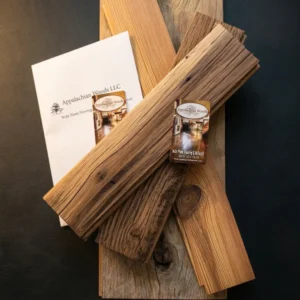
Curate Your Sample Box
Experience the tactile history of the Shenandoah Valley in your own studio.
The Legacy Beneath Our Feet: An Introduction
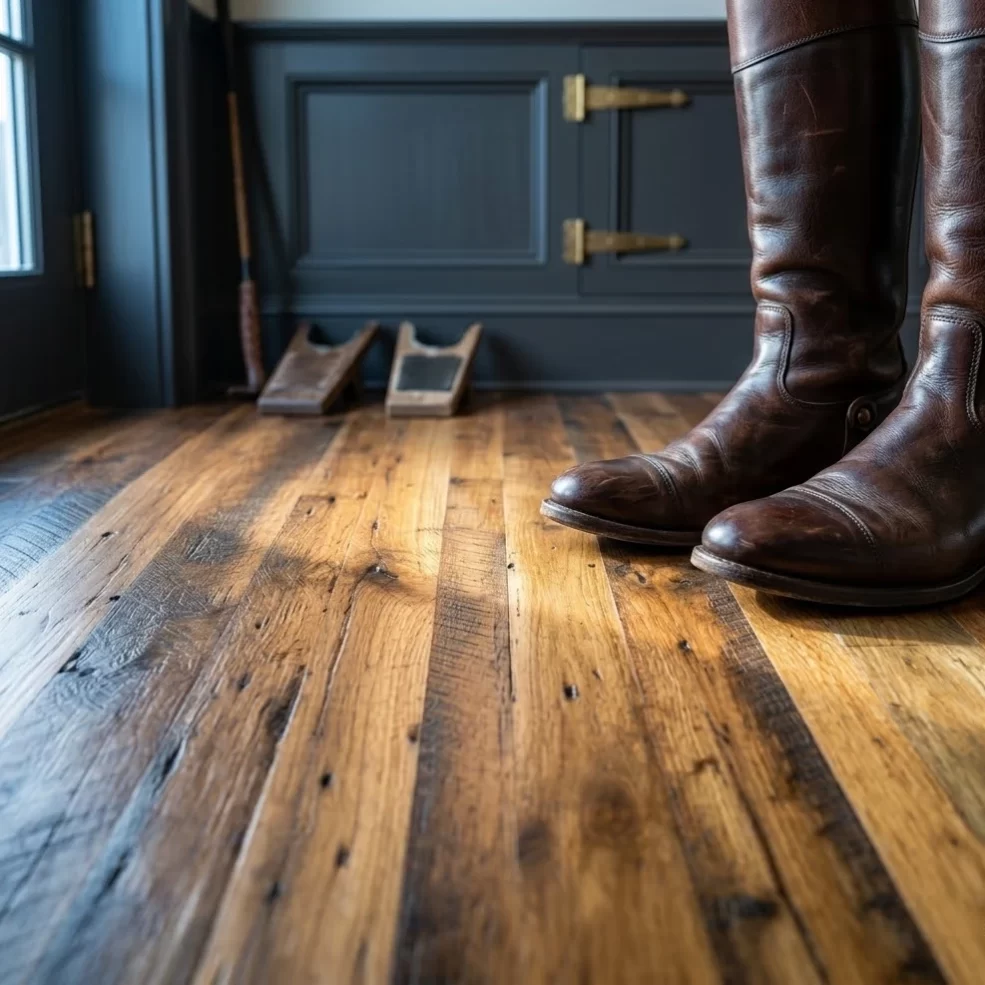
Step inside a sun-drenched Napa Valley tasting room or a bespoke mountain retreat, and you will likely notice the floor before anything else. The undeniable warmth, the rich patina, and the rhythmic grain patterns effortlessly command attention. Indeed, the demand for reclaimed barn wood flooring has skyrocketed among top-tier architects and discerning custom home builders. However, true luxury is never simply found; it is meticulously crafted.
HERITAGE NOTE
"Artisans must preserve the historical integrity of the timber while ensuring it meets the exacting tolerances required by modern custom home builders."
For over two decades, I have observed the high-end residential market shift rapidly away from mass-produced, sterile materials. Consequently, the industry has pivoted toward authenticity, provenance, and tactile history. Yet, the journey from a weathered, 150-year-old agricultural structure to a precision-milled, high-performance floor is a complex feat of engineering and artistry.
Specifically, this transformation requires a delicate balance. Artisans must preserve the historical integrity of the timber while ensuring it meets the exacting tolerances required by modern custom home builders. Ultimately, understanding this 25-year-old process reveals exactly why these materials remain the absolute gold standard in luxury design.
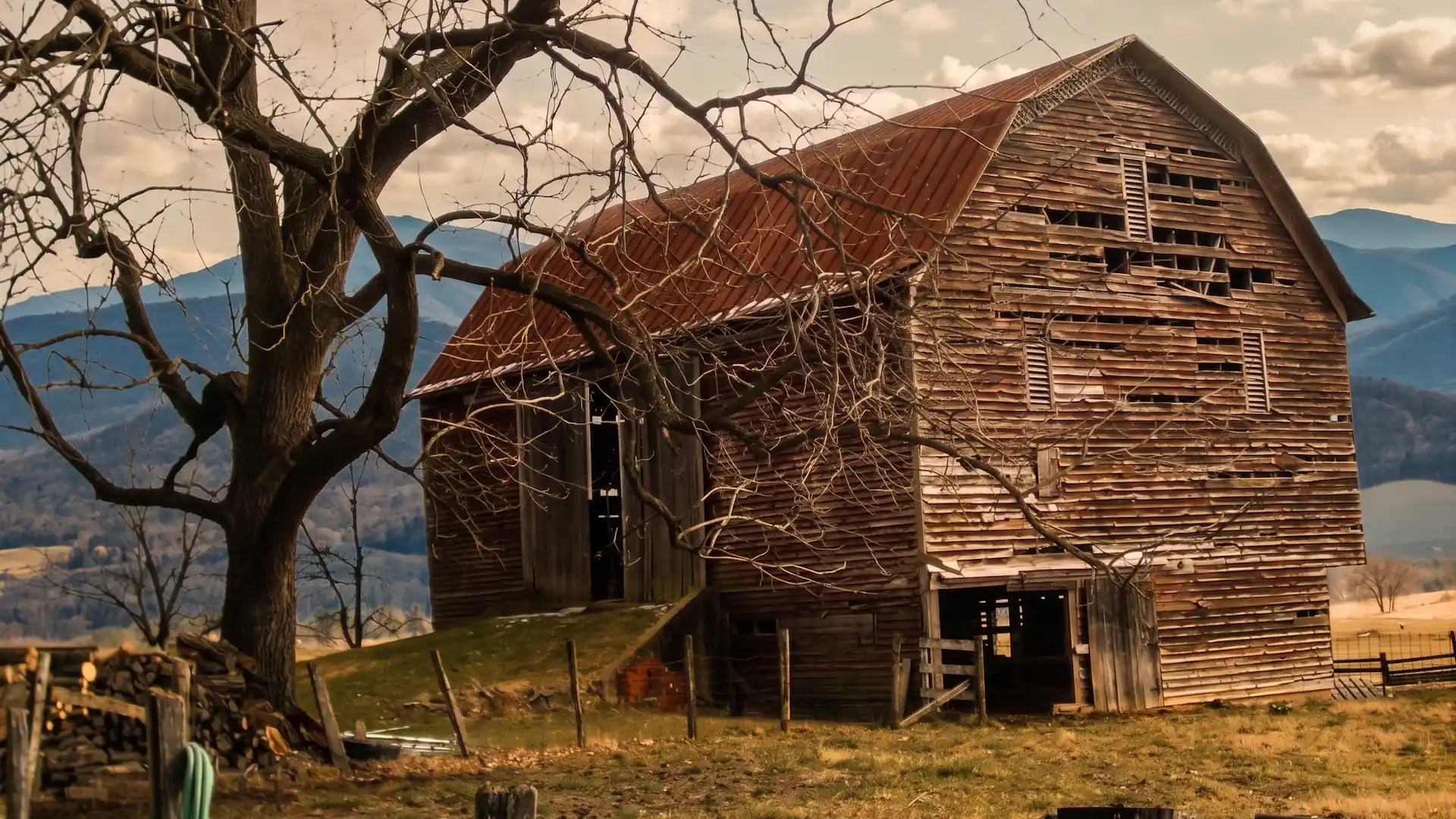
The Shift Toward Provenance
Today’s design landscape prioritizes narrative just as highly as aesthetics. As a result, homeowners want materials that tell a compelling story. They crave the unique character that only a century of wind, rain, and sun can produce. This desire has cemented the foundation of the “Modern Heritage” movement, seamlessly blending clean, contemporary architecture with deeply historical materials.
The Art of Sourcing Reclaimed Barn Wood Flooring
Before any milling occurs, the true work begins out in the field. Authentic reclaimed barn wood flooring cannot be sourced from a generic catalog. Instead, it requires boots on the ground across the American landscape, specifically throughout the rich, historical Appalachian basin and the Eastern seaboard.
Furthermore, identifying the right structures demands a highly trained eye. Not every dilapidated barn holds salvageable timber. Experts must rigorously evaluate the structural integrity, the species of the wood, and the environmental history of the building before committing to a project.
Identifying Heritage Timber
Often, these agricultural buildings were constructed using timber sourced directly from the surrounding land. Centuries ago, farmers felled old-growth trees—massive oaks, chestnuts, and pines featuring incredibly tight growth rings. Specifically, these tight rings indicate wood that grew very slowly in dense, highly competitive forests. Consequently, this old-growth timber possesses a density and dimensional stability that modern, fast-growth plantation lumber simply cannot replicate.
HERITAGE NOTE
"Rather than a perilous, piece-by-piece manual deconstruction high off the ground, crews utilize specialized equipment to carefully bring the barn structure down flat."
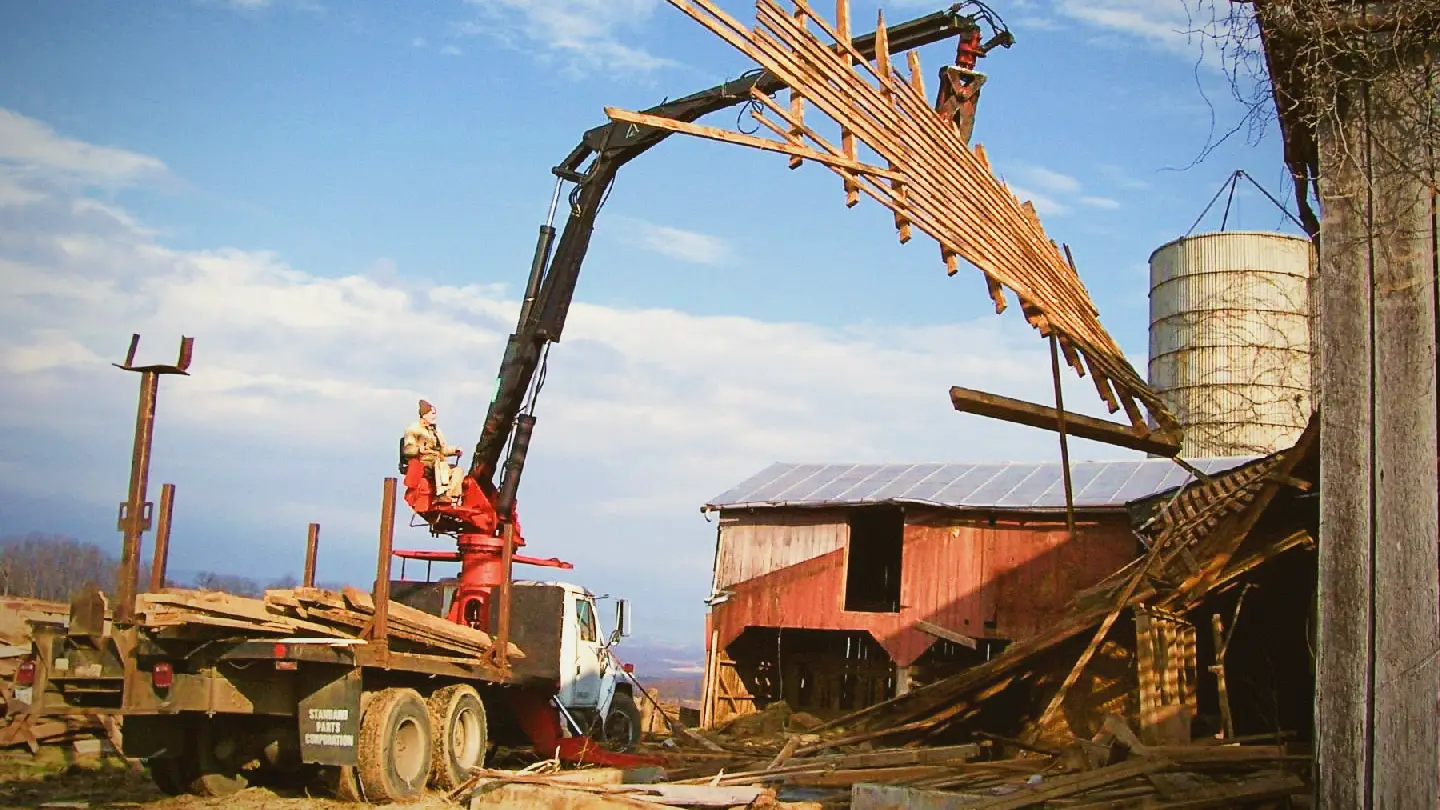
The Dismantling Process
Once a suitable structure is identified, the dismantling process begins. However, the reality of agricultural salvage is rooted in pragmatism and worker safety. Rather than a perilous, piece-by-piece manual deconstruction high off the ground, crews utilize specialized equipment to carefully bring the barn structure down flat.
Once the framework rests safely on the earth, the meticulous hand-salvage begins. Workers extract massive structural beams, exterior siding, and interior joists while keeping their boots firmly on the ground. Ultimately, this method eliminates the severe fall risks associated with high-elevation demolition while ensuring the maximum yield of usable material. The goal is to save every possible board foot safely, preparing the lumber for a second life in a luxury interior.
De-Nailing and Rough Milling: The Gritty Reality
If you walk into a genuine reclaimed lumber mill, the first thing you notice is the sound. It is a symphony of heavy machinery, but beneath that mechanical roar lies an intensely manual, human-driven process. Transforming raw salvage into workable material requires uncovering the pristine wood hidden beneath decades of dirt, paint, and iron.
The Hunt for Hidden Iron
Specifically, century-old timber is riddled with hazards. Farmers used hand-forged square nails, heavy bolts, and metal brackets to hold their robust structures together. Over decades of severe exposure to the elements, these metal fasteners often become deeply embedded or obscured by accumulated grime and weathering, hiding them deep within the grain.
Consequently, the very first step in the milling facility is the de-nailing process. Craftspeople use high-powered, industrial metal detectors to scan every single inch of every board. When the detector whines, the manual labor immediately begins.
Extracting the Past
Workers utilize specialized crowbars, custom pullers, and sheer physical force to extract these ancient fasteners. Occasionally, a nail head has rusted completely away, leaving only the iron shaft embedded in the oak or pine. In these instances, artisans must carefully chisel around the metal to remove it without destroying the surrounding wood.
Indeed, missing even a single broken nail can be catastrophic. If a piece of hidden iron strikes a high-speed saw blade or moulder knife later in the process, it can shatter the expensive tooling and halt production entirely. Therefore, this gritty, painstaking step remains absolutely non-negotiable.
The Initial Resawing Phase
Once the timber is definitively clear of all metal, it moves swiftly to the rough mill. Here, massive band saws slice the thick agricultural joists and beams into workable planks. This is the magical moment where the wood’s interior character is finally revealed.
Suddenly, a weathered, gray barn beam is opened up to expose the rich, amber tones of heart pine or the deep, complex grain of antique oak. The resawing process maximizes the yield of the timber, creating the foundational boards that will eventually become elegant flooring.
Precision Kiln Drying for Modern Homes
One of the most critical misunderstandings in the reclaimed lumber industry revolves around moisture content. Many amateur suppliers skip the kiln-drying phase, offering simply “air-dried” wood to save time and money. However, installing air-dried antique wood in a modern, climate-controlled luxury home is a recipe for disaster.
HERITAGE NOTE
"Installing air-dried antique wood in a modern, climate-controlled luxury home is a recipe for disaster."
The Science of Moisture Equilibrium
Modern homes feature advanced HVAC systems, tighter building envelopes, and often, radiant underfloor heating. These systems create exceptionally dry indoor environments. If a custom builder installs flooring with a high moisture content, the wood will inevitably shrink, cup, and crack as it acclimates to the dry house.
Therefore, commercial-grade kiln drying is imperative. The rough-sawn planks are carefully stacked with “stickers”—small wooden spacers—placed between every layer. This precise stacking allows hot, dry air to circulate evenly around every single board.
Eradicating Pests and Stabilizing Cellular Structure
Furthermore, the kiln does much more than just remove water. Reclaimed wood has spent a century exposed to the elements, making it a natural home for powderpost beetles and other wood-boring insects.
Consequently, the kiln must be brought to a specific, sustained high temperature to completely eradicate any dormant pests or larvae. This heat-treating process guarantees that the wood entering your home is entirely safe, clean, and structurally sound.
Ultimately, the kiln reduces the wood’s moisture content to an exact 6% to 8% range. This equilibrium ensures that when the antique oak flooring collection is installed over a radiant heat system in an Aspen ski lodge, it remains dimensionally stable for decades.
Crafting Luxury Reclaimed Barn Wood Flooring
After the wood is denailed, sawn, and perfectly dried, it is finally ready for the finishing mill. This is where the raw, historic material meets modern, high-tolerance engineering.
Architects and builders require flooring that installs flawlessly. They cannot accept boards that vary wildly in thickness or feature inconsistent tongue-and-groove joints. Thus, the milling phase is defined by uncompromising precision.
The Moulder and the Profile
The dried planks are fed into a multi-head moulder. This massive machine performs several vital functions simultaneously. First, high-speed rotary knives plane the top and bottom of the board to a perfectly uniform thickness.
Simultaneously, side-cutting knives carve the precise tongue-and-groove profile along the edges. This interlocking system is the hallmark of professional hardwood flooring, allowing the planks to fit together tightly and seamlessly during installation.
Stress-Relief Kerfs
Additionally, the moulder cuts shallow, longitudinal grooves into the bottom face of the planks. These are known as stress-relief kerfs.
Specifically, these invisible cuts allow the wood to subtly flex and breathe with seasonal humidity changes without cupping or warping on the surface. It is a highly technical detail, but one that drastically improves the long-term performance of wide-plank installations.
Grading and Aesthetic Curation
Once milled, the flooring undergoes a rigorous human grading process. This is not an automated, robotic sorting. Instead, highly trained artisans inspect every linear foot of the freshly milled planks.
They are looking for the perfect balance of “defects”—the original saw marks, the iron stains from antique nails, and the insect checking that define the material’s unique character. If a client has specified a highly rustic look, the graders will select boards heavily featured with these distinct marks.
Conversely, if an interior designer wants a cleaner, more refined aesthetic, the graders will curate a batch of planks with fewer knots and a smoother face. This bespoke curation is how varied materials are categorized into specific, highly desired collections, such as the beautifully varied mixed hardwood planks or the warmly textured antique barnboard pine.
Why Authentic Provenance Matters
You might wonder why designers and homeowners go through the intense effort of sourcing this specific, painstakingly milled material when brand-new, distressed flooring is readily available at big-box stores. The answer lies entirely in the concept of authentic provenance.
HERITAGE NOTE
Every saw mark tells a story of 19th-century craftsmanship that cannot be replicated in a modern mill.
The “Modern Heritage” Design Philosophy
Currently, the most influential voices in luxury residential design are championing the “Modern Heritage” aesthetic. Firms across the country frequently demonstrate how clean, minimalist architectural lines require the grounding warmth of historic materials to prevent a space from feeling clinical.
Indeed, a freshly manufactured oak plank, mechanically scraped to look old, lacks soul. It contains no history, no varying patina, and no genuine texture. In contrast, authentic reclaimed wood carries the indelible marks of time. As noted by industry authorities at Architectural Digest, integrating materials with a documented past creates a deeply resonant, layered interior that feels collected over generations rather than purchased overnight.
Sustainability and Biophilic Connection
Furthermore, specifying this material is an act of profound environmental stewardship. By rescuing and repurposing historic timber, we prevent the unnecessary felling of new trees. This circular approach to building materials aligns perfectly with the growing demand for sustainable luxury.
By extension, reclaimed wood inherently supports biophilic design principles. It brings the outside in, seamlessly connecting occupants to the natural world through deeply tactile, organic surfaces. Walking barefoot across a floor that began its life as a 19th-century barn provides a sensory experience that synthetic or mass-produced alternatives simply cannot offer.
FAQs About Reclaimed Wood Processing
As homeowners and builders navigate the specification process, several common questions frequently arise regarding the technical realities of these historic materials.
Does reclaimed barn wood flooring need to be treated for bugs?
Yes, absolutely. Professional mills use commercial kilns to heat-treat the wood. This sustained high temperature completely eradicates any dormant insects, beetles, or larvae, ensuring the material is perfectly safe for interior residential use.
Can I install reclaimed wide-plank flooring over radiant heat?
Yes, provided the wood has been properly kiln-dried and professionally milled. Because old-growth reclaimed wood is incredibly dense and dimensionally stable, it performs exceptionally well over radiant heat systems when acclimated and installed correctly by an experienced builder.
What is the difference between air-dried and kiln-dried reclaimed wood?
Air-dried wood relies entirely on ambient weather conditions and typically retains a moisture content too high for modern, climate-controlled interiors. Conversely, kiln-dried wood is baked in a controlled environment to a precise 6% to 8% moisture equilibrium, preventing severe warping, cupping, or shrinking after installation.
Do I have to seal or finish a reclaimed wood floor?
Yes. While the raw patina is beautiful, a floor requires a protective finish to withstand daily foot traffic, spills, and cleaning. High-end natural penetrating oils or ultra-matte water-based polyurethanes are typically used to protect the wood while preserving its natural, historic aesthetic.
How do I clean and maintain a reclaimed hardwood floor?
Maintenance is surprisingly straightforward. Sweep or vacuum regularly to remove abrasive dirt. For deeper cleaning, use a damp (never soaking wet) mop with a pH-neutral wood floor cleaner recommended by your finish manufacturer. Avoid harsh chemicals or steam mops, which can severely damage the finish and the wood.
The Future of Lived-In Luxury
Ultimately, the process of creating reclaimed barn wood flooring is a labor of intense respect. It is a profound acknowledgment that the materials of the past possess a quality and a character that we simply cannot mass-produce today.
As the luxury design market continues to evolve, the craving for authenticity will only intensify. Homeowners do not just want a beautiful house; they want a home with a soul. By meticulously salvaging, de-nailing, kiln-drying, and precision-milling these historic timbers, we ensure that the legacy of the American landscape lives on, providing a timeless, deeply resonant foundation for the generations to come.